
A return-to-sender ritual reflects harmful intent, curses, or negative energy back toward whoever sent it, restoring the boundaries that harm broke through. It is protection, not punishment. Professional, personalized West African–rooted ritualists, including Mother Odessa, who has practiced for decades, perform this work for clients facing persistent spiritual attacks, curse concerns, or the aftermath of betrayal.
TL;DR:
- Professional return-to-sender rituals start with a thorough diagnosis to identify specific spiritual causes before any action is taken.
- The most effective rituals involve customized materials, offerings, and timing based on the practitioner’s assessment rather than generic spells.
- Responsible practitioners emphasize safety, confidentiality, and ethical intent, avoiding harm to third parties and ensuring clear communication about follow-up needs.
- Expect most positive changes to occur gradually over weeks, with clients experiencing relief first and longer-lasting pattern shifts over time.
- Genuine practitioners demonstrate training lineage, years of experience, personalized case histories, and transparent process details before service engagement.
Table of Contents
- What Does a Return-to-Sender Ritual Actually Do?
- Who Actually Needs a Professional for This?
- What Happens During a Professional Ritual Session?
- What Methods Do Practitioners Actually Use?
- Is Reversal Work Ethical, and Is It Safe?
- How Do You Choose a Practitioner You Can Trust?
- What Should You Expect After the Ritual Is Done?
- Why Personalization and Cultural Roots Actually Matter Here
- How Mother Odessa Approaches Return-to-Sender Work
- Sources
What Does a Return-to-Sender Ritual Actually Do?
A return-to-sender ritual has one job: it reflects harm back to its origin instead of absorbing or fighting it directly. Practitioners describe it as protective reversal, a practice that restores balance rather than escalates conflict, and contemporary guides frame it as protection you carry, not a weapon you throw…
The roots run deep. In Ga and Krobo ritual traditions, practitioners diagnose spiritual affliction through divination before prescribing a specific remedy tailored to what they find, a process documented in scholarly work on Ga and Krobo ritual practice. That two-step pattern, diagnose first, then prescribe, still shapes how serious practitioners work today.
A few things separate this practice from revenge magic:
- The goal is boundary restoration, not harm to a third party.
- Diagnosis comes before any ritual action, never after.
- Offerings and materials are chosen for the specific case, not applied generically.
- The practitioner takes responsibility for containing the work, not the client.
Who Actually Needs a Professional for This?
DIY candle spells from a YouTube tutorial handle mild, everyday negativity fine. Persistent, targeted attacks are different. If you’ve tried cleansing your space repeatedly and the same pattern of bad luck, illness, or conflict keeps resurfacing, that’s a signal the source is more specific than generic bad vibes.
Consider a professional ritualist when:
- You suspect a generational curse rather than an isolated incident.
- The situation involves someone who knows your personal details (an ex, a family member, a business rival).
- Privacy matters and you need discretion a public or group ritual can’t offer.
- You’ve noticed physical, financial, or relational patterns that repeat despite your own efforts.
Ritual work isn’t a substitute for therapy, legal protection, or a restraining order when safety is genuinely at risk. The strongest outcomes usually combine spiritual protection with practical boundary-setting, documented practices that reinforce what the ritual accomplishes on the spiritual side.
What Happens During a Professional Ritual Session?
Responsible practitioners don’t skip straight to lighting candles. The process typically moves through four stages, and understanding them helps you evaluate whether a service is doing this work seriously.
- Consultation and intake. The practitioner asks about your history, your intention, and screens for trauma before designing anything. This isn’t paperwork. It’s how client history shapes the actual ritual rather than a generic template.
- Diagnosis or divination. Identifying the actual spiritual cause matters because the remedy has to match it. Igbo Afa divination, for example, involves years of specialized training precisely because misdiagnosis leads to the wrong prescription, as outlined in accounts of Afa divination practice.
- Collaborative ritual design. Materials, offerings, and timing get chosen for your specific situation, not pulled from a one-size-fits-all script.
- Facilitation and integration. The practitioner leads the ritual itself, then provides aftercare guidance so you know what changes to watch for.
Pro Tip: Ask any practitioner what their intake process looks like before you book. If the answer is “we just do the ritual,” that’s a sign they’re skipping the diagnostic step that makes the work effective in the first place.
What Methods Do Practitioners Actually Use?
Reversal work isn’t one ritual. It’s a family of techniques, and which one gets used depends on the diagnosis.
- Mirror or mirror-shield rituals reflect intent back outward, often chosen when the source is unclear or when the client wants a passive, ongoing deflection rather than a single event.
- Candle reversal rites involve carving intention into the wax, anointing with oils, and burning under controlled conditions. Fire safety isn’t optional here. Unattended reversal candles are a real hazard, not a dramatic detail.
- Jar protections get recommended for ongoing defense rather than one-time reversal, since the jar continues working after the initial ritual closes.
- Layered protection combines active reversal with passive shielding and cleansing, since practitioners often note that reversal alone fades without ongoing shielding to back it up.
Materials like salt, rue, and black pepper appear across many traditions, but sourcing matters. Herbs and materials tied to specific West African lineages carry cultural weight that a generic supply-store substitute cannot replicate. Practitioner guides describing ritual steps and sample chants note that authentic technique, not just the right ingredients list, is what makes these methods work.
Is Reversal Work Ethical, and Is It Safe?
Reversal and revenge are not the same thing, and the distinction isn’t semantic. A responsible practitioner states their intent as protective from the outset. The ritual is built to send harm back to where it came from, not to manufacture new harm against a third party who never sent anything.
Trauma-informed screening matters here more than most clients expect. Someone arriving for curse removal has often already been through months of stress, fear, or isolation. A practitioner who skips that context and jumps straight to ritual mechanics is missing half the job.
Practical safety considerations worth asking about upfront:
- Fire safety protocols for any candle work, including where and how candles burn.
- Alternatives to animal sacrifice, since many contemporary practitioners achieve the same diagnostic and offering functions without it.
- Local regulations around ritual materials, particularly for anything involving open flame or specific herbs.
- Confidentiality standards, since you’re often sharing deeply personal history.
How Do You Choose a Practitioner You Can Trust?
Not every service calling itself a return-to-sender ritual is run by someone with real training. A few trust signals separate serious practitioners from opportunists:
- Documented lineage or training, not vague claims of “ancient secrets.”
- Years of consistent practice. Decades of experience, like Mother Odessa’s 40-plus years of West African–rooted work, tend to show up in how specific and confident the intake process feels.
- Real client testimonials and case history, ideally with enough detail to show the work was personalized rather than templated.
- A visible intake and safety screening step, not a rush straight to checkout.
- Clear answers about cost, timeline, and confidentiality before you commit.
Watch for red flags: guarantees of revenge or “instant destruction” of an enemy, aggressive upselling into additional services, or an absence of any real conversation about your situation before the ritual is designed.
Pro Tip: Before booking, ask directly: “What happens if my situation needs a follow-up ritual, and what does that cost?” A practitioner with a real process will have a straightforward answer.
What Should You Expect After the Ritual Is Done?
Change after a reversal ritual rarely arrives as a single dramatic moment. Most clients report a sense of relief first, sometimes within days, along with unusually vivid or symbolic dreams during the following week.
Medium-term shifts, the actual pattern breaking rather than a temporary lull, tend to unfold over several weeks. Watch for:
- A noticeable drop in the specific pattern you came in with (repeated conflict, unexplained setbacks, recurring illness).
- Situations resolving themselves without your direct intervention.
- A general sense of your own boundaries holding where they used to collapse.
If nothing shifts within a few weeks, or if the same pattern resurfaces, that’s worth reporting back rather than assuming the work failed. Keep a simple log of what changed and when. It gives your practitioner real information to work with if follow-up protection or a different ritual approach is needed.
Why Personalization and Cultural Roots Actually Matter Here
Generic ritual templates fail for a simple reason: no two spiritual situations share the same root cause, and a remedy built for the wrong diagnosis does little. Forty years of West African–rooted practice teaches you that the diagnostic step isn’t a formality. It’s the difference between a ritual that resolves something and one that just feels ceremonial.
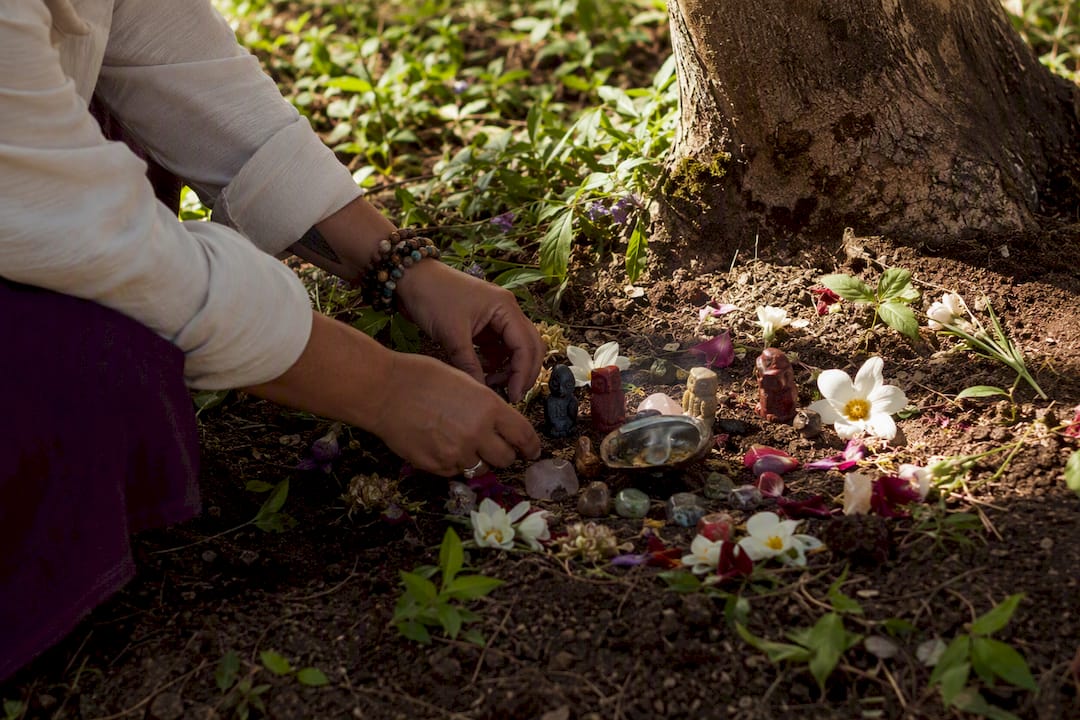
Cultural grounding isn’t decoration either. Practices drawn from Akan, Ga, and Krobo traditions carry specific knowledge about which offerings, materials, and sequencing actually work for which kinds of affliction, knowledge West African spiritual specialists have carried through structured training and apprenticeship. Strip that context out and you’re left with aesthetics standing in for substance.
[Client testimonials and detailed case studies documenting ritual outcomes are available on request and reflect the personalized nature of each engagement.]
— Psychic
How Mother Odessa Approaches Return-to-Sender Work
Mother Odessa’s Protection & Banishing services exist for exactly the situation this article describes: persistent negativity that needs to be identified, named, and sent back to its source, not just cleansed away temporarily. Every engagement starts with the same diagnostic intake described above, no generic packages, no guessing at the cause before designing the remedy.
A first engagement typically begins with a private consultation covering your history and intention, followed by a tailored ritual design and clear guidance on what to expect afterward. Deliverables arrive as detailed digital reports, and every detail you share stays confidential. If ongoing spiritual healing feels like the right next step alongside protection work, the Spiritual Healing & Clarity collection is worth a look too. Ready to start? Book a consultation through Protection & Banishing and describe your situation, Mother Odessa’s process takes it from there.
Sources
- Rituals of affliction and protective practices among Ga and Krobo traditions (UGSpace)
- Return to Sender Spell: How to Reverse Negative Energy and Protect Yourself (2026 Guide) | School of Holistic Mastery
- What is a Return to Sender Spell and Are They The Same As Reversal Spells? — Ceremonie with Mimi Young
- Ghana Podcast | Asase Ba | Akan Spirituality in Ghana — Asase Ba