
A West African spiritual reconciliation process moves through five defined stages: diagnostic divination, ritual prescription, client preparation, ceremony, and aftercare. This is a structured, practitioner-led process rooted in Yoruba and related traditions, designed for people who want to restore a broken relationship, remove spiritual harm, or sever a generational curse through ceremonial work. Expect the full process to span several weeks from first consultation to post-ritual follow-up, depending on what divination reveals.
The five stages at a glance:
- Stage 1: Intake and diagnostic divination
- Stage 2: Ritual prescription and planning
- Stage 3: Client preparation
- Stage 4: Ceremony
- Stage 5: Aftercare and reinforcement
Pro Tip: If a practitioner skips straight to pricing before completing a divination session, that is a red flag. Legitimate West African reconciliation work is always diagnostic-first.
Key Takeaways
West African spiritual reconciliation is a five-stage, practitioner-led process where diagnostic divination determines every subsequent step, and skipping or rushing any stage undermines the work.
| Point | Details |
|---|---|
| Divination comes first | No legitimate practitioner prescribes a ritual before completing a diagnostic divination session. |
| Prescription is binding | The Odù reading determines offerings, ceremony type, and timeline; substituting materials without approval disrupts the work. |
| Aftercare is required | Results typically develop over one to twelve weeks; daily cleansing baths, petitions, and a follow-up consultation are standard. |
| U.S. clients need written protections | Demand a confidentiality policy and a written explanation of any adaptations to sacrificial elements before sharing personal details. |
| Motherodessa starts with diagnosis | Her love and relationship services follow the full five-stage process, with personalized plans and documented outcomes. |
Table of Contents
- What are the stages of a spiritual reconciliation process?
- How does the practitioner translate divination into a ritual plan?
- What do you need to do before the ceremony?
- What happens during the ceremony itself?
- What should you expect after the ritual, and when?
- Community, ethics, and legal considerations for U.S. clients
- How do you choose a trustworthy West African reconciliation practitioner?
- What a seasoned practitioner wants you to understand
- Motherodessa offers a diagnostic-first path to reconciliation
- Sources
What are the stages of a spiritual reconciliation process?
The intake session is a diagnostic divination consultation, not a sales call. Its purpose is to determine the spiritual root cause of the relational harm and whether ritual work is the appropriate remedy. According to Ifá therapeutic practices among Yoruba people, practitioners use divination tools to contact spirits and identify what is driving the disharmony before prescribing anything.
Common divination tools in West African practice include:
- Ópele (divining chain): used to cast and read Odù verses that identify the spiritual cause
- Ikin (sacred palm nuts): a slower, more deliberate casting method associated with deep ancestral inquiry
- Cowrie shells: widely used across traditions to confirm or cross-check readings
Researchers describe divination as a “spiritual diagnostic laboratory” — a systematic method for organizing disconnected signs into a coherent diagnosis. During the session, the practitioner invokes ancestors, reads the revealed Odù verses, and asks the client specific questions about the relationship, its history, and any prior spiritual interventions. Clients should expect to disclose names, dates, and the nature of the conflict.
What you should receive after a legitimate intake:
- A written summary of the divination findings
- A list of prescribed offerings or materials
- A clear statement of whether the requested work is spiritually appropriate
Pro Tip: A thorough practitioner will cross-check the initial reading with a second cast before issuing a prescription. Ask whether they do this before you commit.
How does the practitioner translate divination into a ritual plan?
After divination, the practitioner issues a formal prescription. This document outlines the ceremony type, required offerings, scheduling constraints, and any lineage or family participation needed. Ifá therapeutic procedure requires adherence to the revealed verses: the divination identifies the cause and the prescription follows directly from what the Odù specifies.
Typical prescribed components include:
- Èbọ (sacrifice): offerings to appease negative forces and restore ancestral connection
- Libations: poured to open communication with ancestors and deities
- Herbal baths: cleansing preparations using specific plants tied to the Odù reading
- Altar items: candles, cloths, foods, or objects associated with the relevant Orisha or ancestral figure
- Prayer petitions: spoken or written invocations recited at defined points in the ceremony
Ritual sacrifice in Yoruba tradition operates on three levels simultaneously: as a token of repentance, as a conduit for transmitting restorative life-force (àṣẹ), and as a mechanism for re-establishing connection with ancestors. Understanding this helps clients see why the prescription is not negotiable — substituting materials without practitioner approval disrupts the prescribed channel.
Cost components to budget for: consultation fee, materials and offerings, practitioner time for ceremony, and any travel or courier costs if you are a remote client. Some practitioners charge separately for follow-up consultations. Ask for an itemized written estimate before agreeing to proceed.
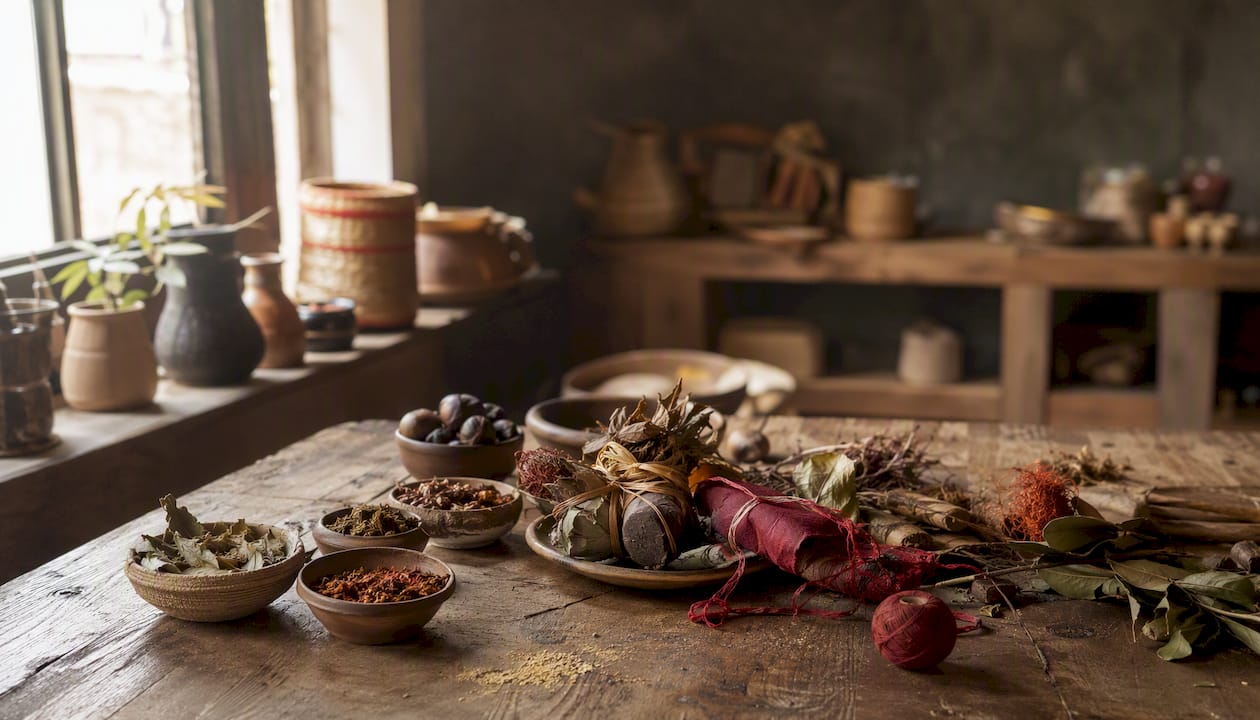
Legal note for U.S. clients: Certain sacrificial elements may require modification under local animal welfare ordinances or public health rules. Responsible practitioners adapt by using symbolic offerings, sourcing animal products through licensed vendors, or substituting with practitioner-approved alternatives. Ask about this explicitly during the prescription stage.
What do you need to do before the ceremony?
Preparation is a short, concrete set of client actions completed in the days before the ceremony. The practitioner will specify the window, typically three to seven days out.
Your preparation checklist:
- Share all required personal information (full names, dates of birth, photographs if requested)
- Source any client-side materials the practitioner has listed
- Complete any prescribed fasting or dietary restrictions
- Perform the prescribed cleansing bath on the specified day
- Arrange your space if any portion of the work is done remotely
- Confirm who, if anyone, may be present during the ceremony
- Sign and return any confidentiality or consent documentation
For U.S.-based clients working with a practitioner remotely, hybrid options are common. Digital consultations handle the diagnostic and planning stages. Prescribed physical offerings can be couriered to the practitioner, or the practitioner may substitute locally available equivalents with your consent. Some elements of the ceremony can be performed on your behalf without your physical presence, though the practitioner will specify which ones require your active participation.
Complete all preparation tasks at least 24 hours before the scheduled ceremony. Last-minute changes to materials or attendance can require rescheduling.
What happens during the ceremony itself?
The ceremony is the execution of the prescribed èbọ and invocations, performed by the authorized practitioner in a defined sequence. Therapeutic practices research documents that ritual objects and performative acts work across four therapeutic aims: healing, sustaining, reconciling, and guiding. The ceremony addresses all four simultaneously.
The general sequence:
- Opening: space cleansing, grounding prayers, and invocation of protective forces
- Ancestral invocation: calling the relevant lineage ancestors and Orisha to witness and participate
- Offering presentation: placing prescribed èbọ items at the altar in the specified order
- Reconciliation act: the central petition, spoken aloud by the practitioner, naming the parties and the desired restoration
- Closing: sealing prayers, disposal of offerings per tradition, and a cleansing of the space
Ancestral mediation is central to this process. Communal participation — lineage heads, elders, or family members — may be prescribed depending on the Odù reading. Sensory elements vary: expect incense, libations, specific foods, and possibly the sounds of traditional percussion if the ceremony is conducted in person.
Ethnographic research on ritual therapeutic processes notes that practitioner conviction and client faith both contribute to the psychosocial effect of the work. Your sincerity and mental readiness during the ceremony matter.
For U.S. settings, ask the practitioner in advance which elements will be modified and how. A practitioner who cannot answer that question clearly has not thought through the legal context.
What should you expect after the ritual, and when?
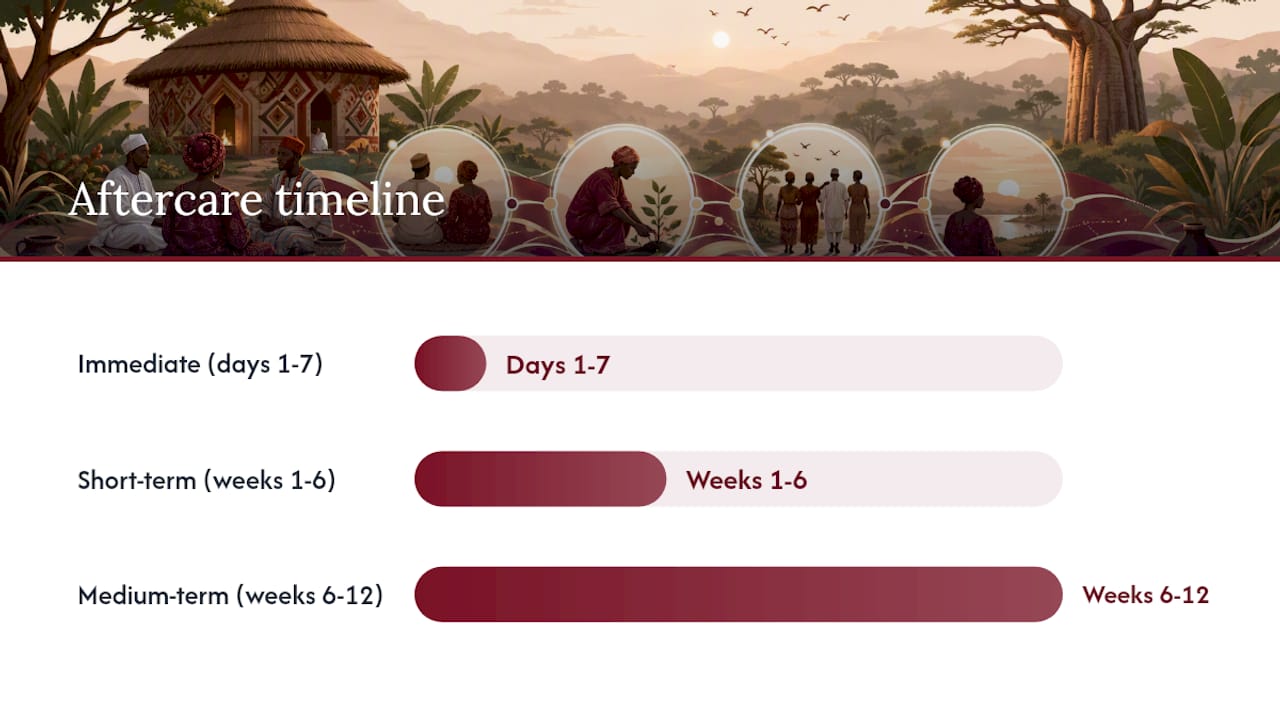
Ritual work typically requires aftercare. Results can appear immediately, gradually over weeks, or as shifts in the broader social environment around the relationship.
Common aftercare steps:
- Daily cleansing baths using prescribed herbal formulas for a set number of days
- Altar maintenance: keeping offerings fresh and lighting candles at specified times
- Daily petitions: short spoken prayers directed to the ancestors or Orisha involved
- Follow-up consultation: a check-in divination session to assess progress and prescribe reinforcement if needed
Traditional healers function as long-term intermediaries, providing counseling and periodic reinforcement beyond the single ceremony. Effective reconciliation work rarely ends at the altar.
Timeline expectations:
- Immediate (days 1–7): shifts in mood, unexpected contact from the estranged party, or vivid dreams are commonly reported early signals
- Short-term (weeks 1–6): gradual softening of the other party’s position, renewed communication
- Medium-term (weeks 6–12): stabilization of the restored connection; this is when a follow-up consultation is most useful
For a detailed checklist of signs that the work is progressing, see signs a reconciliation ritual is working.
Community, ethics, and legal considerations for U.S. clients
Ethical and legal constraints in the United States may require adaptation of sacrificial elements, and clear consent and privacy protocols are non-negotiable. Diviners are socially embedded — their accountability runs through community as much as through individual client relationships. U.S. clients should expect and demand the same transparency.
Ethics checklist before you commission any ritual:
- Written consent form covering what will be performed and on whose behalf
- Clear explanation of any modifications to traditional sacrificial elements for U.S. compliance
- Confidentiality policy covering your personal information, names of third parties, and any shared photographs
- Transparency about what family or community participation, if any, is required
- No pressure to commit before the diagnostic divination is complete
Legal safety note: Local ordinances vary on animal sacrifice, waste disposal, and public ritual. In the U.S., the Supreme Court’s 1993 ruling in Church of Lukumi Babalu Aye v. City of Hialeah affirmed the right to ritual animal sacrifice as a protected religious practice, but local health and zoning rules still apply. Responsible practitioners use licensed vendors for animal products and conduct ceremonies in private settings.
Pro Tip: Ask for the confidentiality policy in writing before sharing any personal details. A practitioner who resists this request is not operating with professional standards.
How do you choose a trustworthy West African reconciliation practitioner?
Choose a practitioner who demonstrates diagnostic rigor, verifiable experience, clear pricing, privacy protections, and culturally grounded ethics. The single most reliable signal is whether they insist on divination before prescribing anything.
Vetting checklist:
- Can they name and describe the divination tools and method they use?
- Do they provide a written prescription after the diagnostic session?
- Can they share documented client outcomes or testimonials?
- Do they have a written confidentiality policy?
- Are their fees itemized, not bundled into a single opaque charge?
- Do they explain U.S.-specific adaptations without being asked?
Red flags to walk away from:
- Guaranteed outcomes stated before any divination
- Pressure to pay before the diagnostic is complete
- Inability to explain what the Odù reading revealed
- Evasiveness about how sacrificial elements are handled in the U.S.
- No written plan or documentation of any kind
| Trust Signal | What to Request as Evidence |
|---|---|
| 40+ years of experience | Practitioner biography or verifiable professional history |
| Divination-based diagnosis | Named tools (ópele, ikin, cowries) and a post-session written summary |
| Documented outcomes | Client testimonials with specific situation types (estrangement, curse removal) |
| Transparent pricing | Itemized fee schedule covering consultation, materials, and follow-up |
| Privacy protection | Written confidentiality policy before any personal information is shared |
What a seasoned practitioner wants you to understand
Ritual effectiveness depends on three things working together: accurate diagnosis, client readiness, and correct performance. The practitioner’s role is intermediary, not magician. The ancestors and Orisha are the active agents; the practitioner’s job is to open the channel correctly and follow the prescription exactly. Ancestral mediation in Yoruba tradition is not about individual desire-fulfillment — it is about restoring communal and ancestral balance that the disharmony has disrupted. Clients who approach the work with sincerity and follow the prescribed steps consistently get better results than those who treat it as a transaction. After more than 40 years in this practice, the cases that stall are almost always ones where the client withheld information during divination or abandoned the aftercare. The ritual is not a shortcut. It is a structured process that requires your participation at every stage.
Motherodessa offers a diagnostic-first path to reconciliation
Motherodessa delivers fully personalized West African reconciliation rituals with a process that matches the stages described in this guide: diagnostic consultation first, written ritual plan second, ceremony coordination third, and a defined aftercare package to close. Every service is built around what divination reveals for your specific situation, with confidentiality protections and U.S.-compatible adaptations built in from the start.
The Return a Lover Ritual and the Seven African Powers Ceremony are two of the most requested services for relationship reconciliation. Before either is prescribed, the diagnostic consultation determines which path is appropriate. To begin, have the names of both parties, a brief account of the situation, and any relevant dates ready. Browse the full spiritual healing collection to review available services and start your consultation.
Sources
The sources below informed the process map, practitioner role descriptions, and ethical guidance in this guide.
- Ifa Therapeutic Practices among Yoruba People in Oyo State (paper_10)
- Spiritual Diagnostic Laboratory: The Role of Diviners in the Management and Resolution of Life Crises
- The guiding presence: Ancestors and reconciliation in Yoruba Traditional Religion (IIARD)
- Therapeutic practices and rituals among Asante (KNUST study)
- The Drums of Affliction and ritual therapeutic processes (ethnographic study)