
Common examples of inherited spiritual burdens you may recognize
Inherited spiritual burdens are emotional, behavioral, and spiritual patterns absorbed from your family line, not problems you created yourself. They arrive through unresolved ancestral wounds, cultural trauma, and family systems that never had the chance to heal. Recognizing them is the first step toward freedom.
Here are the most common examples:
- Chronic anxiety with no clear cause. You feel dread or hypervigilance that has no direct link to your own life experiences, often traced to a parent or grandparent who lived through war, poverty, or persecution.
- Financial patterns that repeat. Money arrives and disappears regardless of effort. These inherited financial cycles often reflect ancestral beliefs around scarcity, shame, or unworthiness.
- Broken relationship cycles. Abandonment, infidelity, or emotional unavailability repeat across generations, not by coincidence but through unhealed attachment wounds passed down through family systems.
- Addiction and substance dependency. A grandparent’s alcoholism, a parent’s compulsive behavior. These patterns carry both behavioral and spiritual weight across bloodlines.
- Unexplained grief or sadness. A heaviness that feels borrowed, not earned. It often belongs to a parent’s unprocessed loss or a cultural trauma that was never spoken aloud.
- Survivor guilt. Feeling undeserving of success, safety, or joy when ancestors suffered. This guilt was never yours to carry.
- Rigid role expectations. “You must be the strong one.” “Women in this family don’t ask for help.” These inherited scripts shape identity before you are old enough to question them.
- Cultural and collective trauma. Descendants of enslaved people, refugees, or genocide survivors often carry collective fear, shame, and hypervigilance that lives in the nervous system long after the original event.
- Chronic illness with no medical explanation. Spiritual traditions across cultures recognize that unresolved ancestral wounds can manifest physically, particularly as fatigue, autoimmune conditions, or persistent pain.
- Spiritual disconnection. A persistent sense of being cut off from the divine, often rooted in ancestral religious trauma, forced conversion, or the suppression of indigenous spiritual practices.
How legacy burdens shape your emotional and spiritual life
Legacy burdens are beliefs, emotions, roles, and ways of being passed down through families, cultures, or wider systems. They do not come from your own life experiences. They arrive from outside, usually early in life, and embed so deeply that they start to feel like personality.
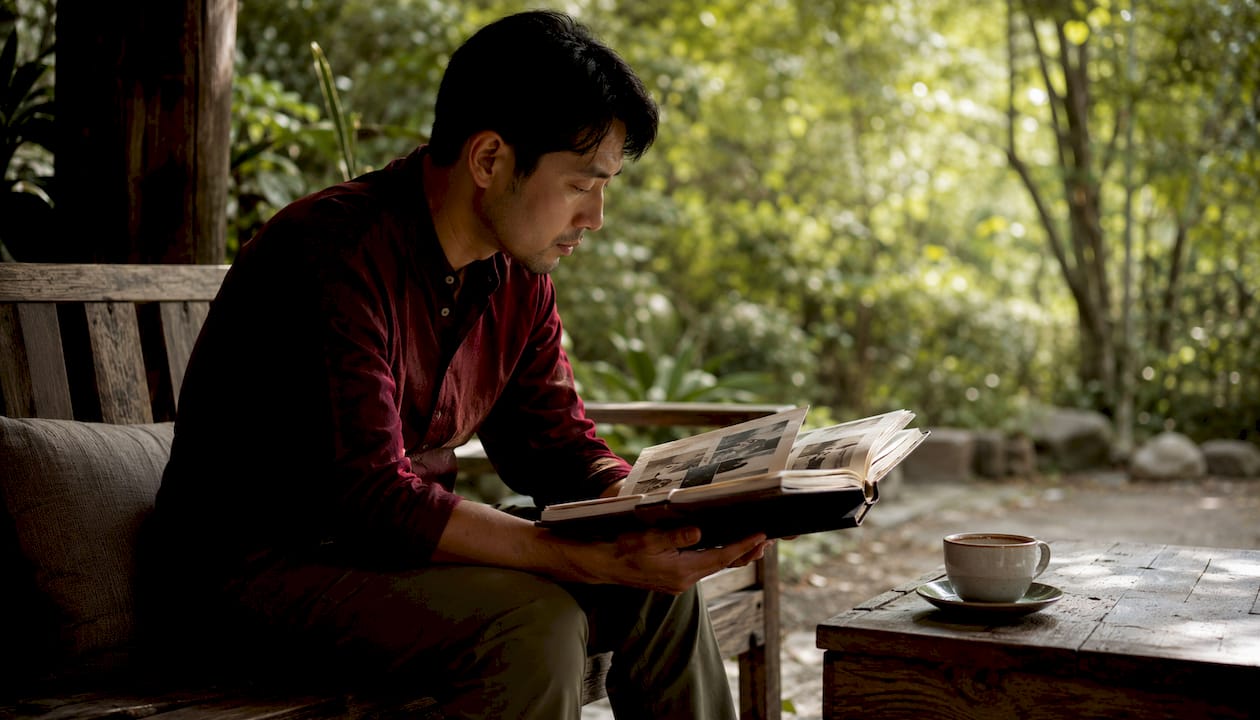
The distinction matters. When you feel a sadness or fear that has no clear origin in your own history, you may be carrying someone else’s unfinished emotional work. Intergenerational trauma describes exactly this: the transmission of unhealed wounds through collective memory, family narratives, and even biological changes that shape how you experience stress, safety, and relationships.
The table below maps the most common legacy burden types to their typical origins and effects.
| Burden type | Typical origin | Common effect |
|---|---|---|
| Emotional over-responsibility | Parent who was emotionally unavailable | Chronic exhaustion, difficulty receiving care |
| Financial scarcity beliefs | Generational poverty or economic trauma | Self-sabotage, fear of abundance |
| Relational abandonment patterns | Absent or abusive caregiver | Attachment anxiety, repeated loss |
| Collective cultural trauma | War, displacement, systemic oppression | Hypervigilance, shame, identity confusion |
| Spiritual disconnection | Suppressed ancestral practices or religious trauma | Emptiness, distrust of the sacred |
Spiritual inheritance can be dual-edged. While negative legacies cause real harm, acknowledging and transforming them builds spiritual strength and character. The same family line that carried suffering often carried resilience, faith, and wisdom worth reclaiming.
How to recognize if you are carrying burdens that are not yours
The clearest signal of an inherited burden is disproportionality. Your reaction is bigger than the situation warrants, or your struggle persists despite genuine effort to change. Emotional over-responsibility, survivor guilt, and anxiety disproportionate to life circumstances are among the most reliable indicators.
Ask yourself these questions honestly:
- Do you feel responsible for the emotional wellbeing of everyone around you?
- Are there fears or beliefs you hold that you cannot trace to anything in your own life?
- Do certain family patterns, addiction, financial collapse, broken relationships, repeat in your generation the way they did in your parents’ or grandparents’?
- Do you feel guilt about succeeding, being happy, or leaving your family’s struggles behind?
- Is there a heaviness, grief, or anger that feels older than you?
Pro Tip: Keep a short journal for two weeks. Note every emotional reaction that feels disproportionate or alien. Patterns that repeat without a clear personal cause are worth exploring with a spiritual counselor or therapist trained in family systems work.
Family secrets amplify inherited burdens. When trauma is never named, it does not disappear. It moves underground and surfaces in the next generation as anxiety, shame, or compulsion. Naming what was hidden is one of the most powerful acts of healing available to you.
How to start healing and breaking cycles of inherited spiritual burdens
Healing inherited burdens requires conscious intervention, not passive hope. Recurring family dysfunction can be interrupted, but only when someone in the family line decides to stop absorbing what was never theirs and start the work of release.
- Name the pattern. Write down the recurring struggles in your family across at least two generations. Addiction, financial collapse, broken relationships, chronic illness. Seeing the pattern clearly removes the shame of thinking it is personal failure.
- Separate yourself from the burden. Inherited burdens feel alien when examined closely. They do not match your authentic self or your actual life experiences. Recognizing that distinction creates the psychological space to release them.
- Renounce and release. Across spiritual traditions, from West African ceremony to Christian prayer to Indigenous healing practices, the act of conscious renunciation carries real power. Speak aloud what you are releasing and why. Breaking generational curses requires identifying root patterns and actively renouncing their hold.
- Seek spiritual or therapeutic support. Some burdens are too deep to move alone. A skilled spiritual healer, a therapist trained in Internal Family Systems, or a family constellations practitioner can help you trace the origin of a burden and facilitate its release.
- Practice forgiveness. Not as absolution for harm, but as a personal act of liberation. Forgiving ancestors who caused damage does not excuse them. It frees you from carrying their unresolved energy forward.
- Establish new patterns. Healing is not only about releasing the old. It requires actively building new spiritual, emotional, and behavioral habits that your descendants will inherit instead.
- Use ritual and ceremony. Ritual creates a container for transformation. Whether through prayer, ancestral offerings, energy clearing, or spiritual healing practices, ceremony marks the transition from burden to freedom in a way that purely cognitive work cannot.
What Mother Odessa’s 40+ years of experience reveals about ancestral healing
Motherodessa brings over four decades of West African spiritual healing practice to the work of breaking generational curses and releasing inherited burdens. Her approach recognizes what both modern psychology and ancient tradition confirm: patterns of sin, trauma, and dysfunction ripple through family lines, but they are never the final word.
Motherodessa’s methodology centers on personalized ceremony rather than generic ritual. Each client’s situation is assessed individually, because no two ancestral burdens carry the same root or require the same approach. Her work draws on West African traditions that have addressed generational spiritual wounds for centuries, including energy clearing, ancestral guidance, and ceremonies designed to sever specific inherited patterns. The Seven African Powers Ceremony, for example, calls on ancestral spiritual forces to restore balance across multiple life areas simultaneously.
Pro Tip: When seeking spiritual support for inherited burdens, look for a practitioner who asks about your family history across at least two generations before recommending any ritual or ceremony. Generic approaches rarely reach the specific root of an ancestral wound.
The scriptural tradition echoes this understanding. Generational sin creates real consequences across family lines, but redemption and healing are always possible. Motherodessa’s clients have experienced the breaking of long-standing cycles, the restoration of family relationships, and the release of burdens that had persisted for generations. Her commitment to privacy and her refusal to apply one-size-fits-all solutions reflect a deep respect for the complexity of ancestral healing work.
For those ready to begin, Motherodessa’s spiritual healing services offer a starting point grounded in tradition, experience, and genuine care for each person’s liberation.
Key Takeaways
Inherited spiritual burdens are absorbed ancestral patterns, not personal failings, and they can be identified, separated from your true self, and released through conscious spiritual and therapeutic work.
| Point | Details |
|---|---|
| Burdens are not personality | Inherited material feels alien because it does not match your authentic self or lived experience. |
| Common forms are recognizable | Chronic anxiety, financial cycles, broken relationships, survivor guilt, and cultural trauma are the most frequent examples. |
| Disproportionate reactions signal inheritance | When your emotional response is bigger than the situation warrants, an ancestral burden is often the cause. |
| Healing requires active intervention | Naming, renouncing, seeking support, and practicing ritual are all necessary steps; passive hope does not break cycles. |
| Spiritual inheritance is dual-edged | The same family line that carried suffering often carried resilience and faith worth reclaiming alongside the healing. |