
Follow-up is the active phase after a spiritual healing session where real transformation takes root. Without it, healing stays on the surface. The role of follow-up in spiritual healing journeys is not optional support. It is the mechanism that converts a single healing encounter into lasting personal change. Pastoral care guidelines recommend contact within 24 hours post-session to support the individual relationally, not transactionally. That window matters because the nervous system, emotions, and spirit are still open and responsive. Motherodessa’s 40-plus years of practice confirm what research now supports: healing without follow-up is healing left unfinished.
What does effective follow-up in spiritual healing look like?
Effective follow-up is relational, not administrative. A check-in call, a prayer offered, or a message asking how someone feels after a session carries more weight than any formal report. The goal is to make the person feel seen, not processed.

Timing is the first variable that separates meaningful follow-up from hollow gesture. Best practice guidelines place the ideal first contact within 24 hours of a healing session. That window is when emotional and spiritual impressions are still fresh and the person is most receptive to guidance.
The format of follow-up matters as much as its timing. Effective aftercare in healing journeys includes:
- A personal call or message checking on emotional and physical state
- An offer of prayer, reflection, or continued spiritual guidance
- Listening without agenda, allowing the person to process aloud
- Gentle questions that invite self-reflection rather than demanding answers
- A clear invitation to return or continue the healing relationship
Pro Tip: Write down two or three specific things from your healing session immediately afterward. Share them with your practitioner during follow-up. Specificity helps your guide give you targeted support instead of general advice.
Structured follow-up pathways, including milestone-based check-ins like a first visit, a follow-up contact, and a deeper integration meeting, improve consistency and outcomes. The structure removes guesswork and keeps the healing relationship active.
Why is follow-up critical for integration and long-term spiritual growth?
Spiritual healing is not a single event. It is an ongoing co-creation between the practitioner, the individual, and the forces being called upon. Without active follow-up, that co-creation stalls.
The integration phase is where the real work happens. After a session, the nervous system begins adjusting to new energetic and emotional states. Without grounding and reflection during this period, the body and mind default back to familiar defensive patterns. This is not a failure of willpower. It is a physiological reality.
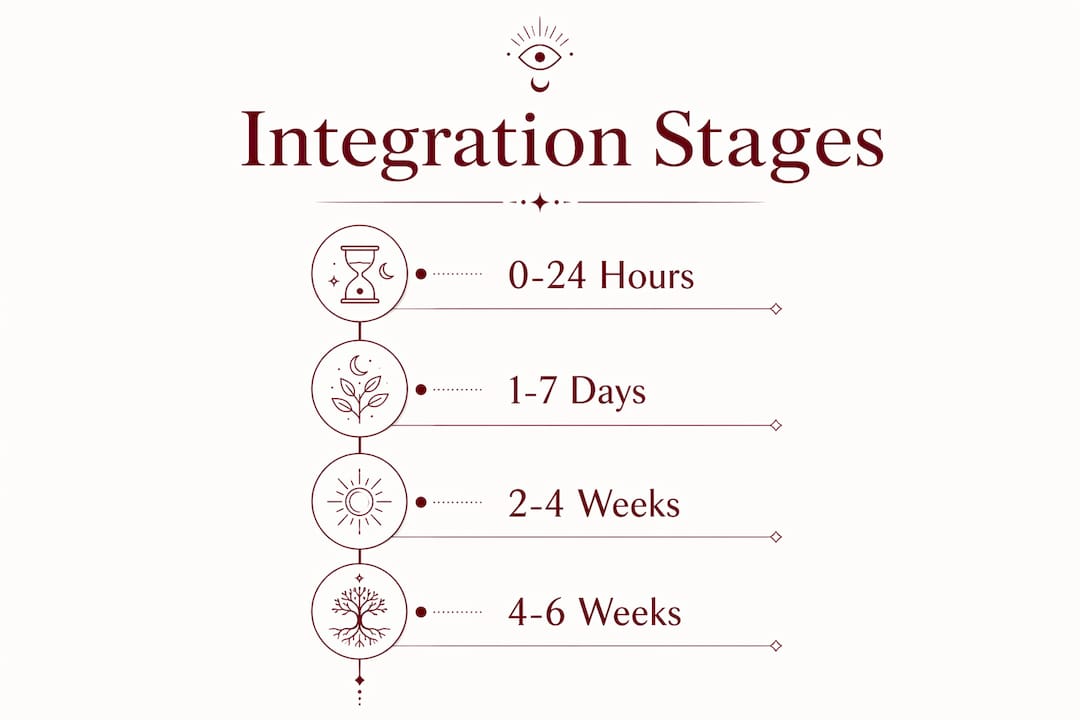
| Integration Stage | What Happens | Follow-Up Practice |
|---|---|---|
| 0–24 hours | Nervous system is open and adjusting | Check-in call, grounding exercise |
| Days 2–7 | Emotional processing peaks | Journaling, light ritual, rest |
| Weeks 2–4 | Old patterns may resurface | Reflection sessions, community support |
| Weeks 4–6+ | New behaviors begin to stabilize | Accountability check-ins, continued ritual |
Practices like journaling and energy work help bridge awakening and embodiment, moving insights from the spiritual plane into daily life. Without this bridge, people often feel inspired after a session and then confused when nothing changes a week later.
Community and mentorship accelerate integration. Healing happens best within a relational context, not in isolation. A mentor, spiritual counselor, or trusted community member provides accountability and perspective that self-practice alone cannot replicate.
Pro Tip: Treat the week after a healing session like a recovery period. Reduce social obligations, avoid draining conversations, and protect your energy. Your spirit needs space to absorb what shifted.
Neglecting integration creates spiritual fragility. People who skip follow-up often report feeling temporarily lifted and then crashing back into old fears, relationships, or habits. That cycle is not evidence that healing failed. It is evidence that follow-up was missing.
How can you avoid spiritual bypassing during follow-up?
Spiritual bypassing is the practice of using spiritual frameworks to avoid emotional or psychological pain rather than work through it. It is one of the most common and least recognized risks in the post-healing phase.
The signs of spiritual bypassing are specific. They include feeling emotionally detached after a session, using spiritual language to dismiss grief or anger, avoiding difficult relationships by claiming “higher vibration,” and feeling cold or numb where you expected warmth. Detachment or emotional coldness post-session signals that the intensity of practice may need adjustment.
Tracking is the most reliable tool against bypassing. Tracking bodily and emotional responses over several weeks post-session differentiates true healing from dissociation. This means paying attention to sleep quality, appetite, emotional reactivity, and physical sensations, not just spiritual feelings.
Grounded follow-up care balances spiritual practice with emotional labor. That balance looks like:
- Noticing and naming emotions rather than spiritualizing them away
- Checking in with the body through somatic awareness exercises like slow breathing or body scans
- Recognizing when numbness or detachment replaces genuine peace
- Seeking one-on-one spiritual counsel when self-practice feels insufficient
- Knowing when to involve a licensed therapist alongside spiritual support
The distinction between healthy integration and dissociation is critical. Healthy integration feels like gradual clarity, increased emotional range, and a growing sense of groundedness. Dissociation feels like floating above your life, reduced emotional response, and difficulty connecting with others. If you notice the latter, adjust your practices and seek support.
What practical tools and habits support spiritual follow-up?
Consistent daily and weekly practices are what separate people who sustain healing from those who cycle back to the starting point. The tools do not need to be elaborate. They need to be regular.
-
Journal with intention. Write about your emotional state, any dreams, and any moments where old patterns surfaced. Ask yourself: “What shifted this week?” and “Where did I feel resistance?” Journaling over 4–6 weeks post-session creates a record that shows real progress and flags warning signs.
-
Use grounding exercises daily. Breathwork, walking barefoot, or a brief body scan after waking anchors spiritual work in the physical body. This is especially important in the first week after a session when energy is still settling.
-
Maintain ritual as a weekly anchor. Consistent ritual practices sustain the vibrational state opened during a healing session. Even a five-minute candle lighting with focused intention counts. The regularity matters more than the duration.
-
Seek accountability through community or mentorship. Isolation undermines spiritual progress. A trusted mentor, spiritual community, or experienced practitioner provides the relational container that keeps growth on track. Experienced spiritual practitioners help individuals recognize when they are drifting and redirect with precision.
-
Set boundaries that protect your progress. After a healing session, certain relationships, environments, or habits may actively work against your new state. Identifying and limiting those exposures is not avoidance. It is protection.
Pro Tip: Create a simple weekly check-in ritual: five minutes of silence, three journal sentences, and one intentional act of self-care. Do it on the same day each week. Consistency builds the habit before motivation runs out.
Tracking spiritual growth does not require complex systems. A simple notebook with dated entries is enough. What matters is the act of returning to it weekly and being honest about what you find.
Key takeaways
Follow-up is the active integration phase that converts spiritual healing from a momentary experience into lasting transformation, and skipping it is the single most common reason healing does not hold.
| Point | Details |
|---|---|
| Start follow-up within 24 hours | Contact or self-reflection within the first day captures the most receptive window post-session. |
| Integration takes weeks, not days | Nervous system and emotional adjustment unfolds over 4–6 weeks; plan your practices accordingly. |
| Track bodily and emotional responses | Weekly journaling distinguishes genuine transformation from spiritual bypassing or dissociation. |
| Healing is relational | Community, mentorship, and one-on-one counsel accelerate integration and prevent relapse. |
| Ritual sustains the work | Regular, simple rituals maintain the energetic state opened during a healing session. |
What I have learned about follow-up that most people get wrong
People come to a healing session expecting the session to do all the work. I understand that impulse. When something shifts powerfully in a ritual or ceremony, it feels complete. It feels like arrival. That feeling is real. But it is not the finish line.
The most profound transformations I have witnessed did not happen during the session itself. They happened in the weeks that followed, in the quiet moments when someone chose to return to their journal instead of their old habits, or reached out for support instead of retreating into isolation. Healing is a beginning, not an ending. That phrase sounds simple. Living it requires real commitment.
What I have also seen is the cost of skipping follow-up. People who experience genuine breakthroughs and then return immediately to the same environment, relationships, and routines without any aftercare often feel worse within two weeks. They blame the healing. The healing was not the problem. The absence of integration was.
My honest advice: treat follow-up as sacred. Give it the same reverence you gave the session itself. Be patient with yourself when old patterns resurface. They will. That is not failure. That is the nervous system doing what nervous systems do. Your job is to notice, reflect, and return to your practices. Healing is not something that happens to you once. It is something you participate in, every day, until the new way of being becomes the only way you know.
— Psychic
Motherodessa’s approach to sustained spiritual healing
Spiritual healing does not end when a session closes. Motherodessa offers a full range of spiritual healing and clarity rituals designed to support each stage of your healing process, from the initial session through the integration weeks that follow.

With over 40 years of experience rooted in West African traditions, Motherodessa builds every ritual around your specific situation. No two clients receive the same approach. Whether you are working through love, protection, or abundance, her personalized rituals create a foundation that follow-up practices can build on. Explore her health and healing ritual or browse the full collection to find the right support for where you are right now.
FAQ
What is the role of follow-up in spiritual healing journeys?
Follow-up is the integration phase where spiritual insights become lasting life changes. Without it, healing tends to remain temporary and the nervous system reverts to old patterns.
How soon should follow-up happen after a spiritual healing session?
Best practice guidelines recommend follow-up contact or self-reflection within 24 hours of a session. That window is when the individual is most open and responsive to continued support.
What is spiritual bypassing and how does follow-up prevent it?
Spiritual bypassing is using spiritual frameworks to avoid emotional pain rather than process it. Consistent follow-up that tracks bodily and emotional responses over several weeks helps distinguish genuine healing from avoidance.
How long does the integration phase of spiritual healing last?
Integration unfolds over weeks to months, not days. Journaling, ritual, and community support over a 4–6 week period post-session gives the nervous system and spirit time to stabilize new patterns.
Can I do follow-up on my own or do I need a guide?
Self-practice through journaling, grounding, and ritual is valuable, but healing is relational by nature. A mentor or experienced practitioner provides accountability and perspective that solo practice cannot fully replace.