
Experienced spiritual practitioners are defined as those with 25 or more years of disciplined, active practice who guide others through personal transformation, relationship healing, and life challenges. The benefits of experienced spiritual practitioners go far beyond what solo study or short-term counseling can offer. Practitioners like Anodea Judith and Jost Sauer demonstrate how multi-decadal experience accelerates transformation by integrating ancient wisdom with the real pressures of modern life. Whether you are working through grief, a broken relationship, or a search for deeper purpose, a seasoned guide changes the speed and depth of what becomes possible.
1. What are the measurable benefits of experienced spiritual practitioners for personal growth?
Spiritual mentoring produces outcomes you can observe and track. Research identifies four consistent markers: steadiness in adversity, reduced emotional reactivity, ethical clarity, and a spontaneous desire to serve others. These are not vague feelings. They show up in how you handle conflict, make decisions under pressure, and treat people around you.
Steadiness and reduced reactivity directly cut decision fatigue. When your nervous system is less triggered, you think more clearly and act from values rather than fear. Ethical clarity means you stop second-guessing yourself in situations where the right path was always obvious but emotionally charged.
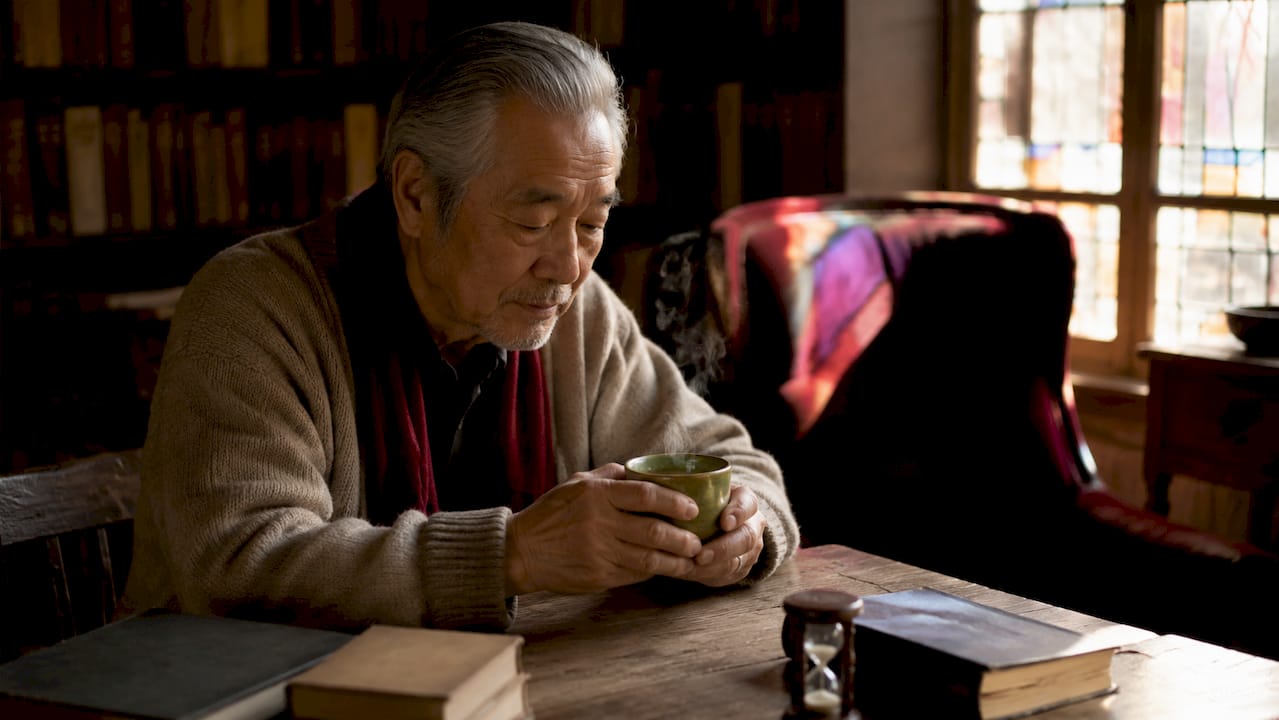
Compared to solo practice, working with a seasoned mentor compresses the timeline. Compared to therapy, it addresses a different layer. Therapy processes trauma. Spiritual mentorship recalibrates how you orient to life’s ongoing movement, including the quiet seasons, not just the crises.
Pro Tip: Ask a prospective mentor how they handle their own adversity. A practitioner who models steadiness in their own life teaches it more effectively than one who only talks about it.
- Steadiness under pressure
- Reduced emotional reactivity
- Ethical clarity in complex decisions
- Desire to contribute beyond personal gain
2. How do experienced practitioners enhance emotional well-being and relationship healing?
Spiritual direction offers something therapy does not. Sessions focus on discerning divine presence rather than resolving symptoms. That distinction matters enormously for people whose pain is not clinical but existential. You are not broken. You are searching.
A seasoned practitioner provides a confidential, non-judgmental space where you can speak honestly about what is actually happening inside you. That kind of listening is rare. Most people in your life have opinions, stakes, or advice. A skilled spiritual guide has none of those agendas.
Relationship healing benefits directly from this environment. When you gain clarity about your own patterns, your behavior in relationships shifts. Motherodessa’s clients have reported reuniting with estranged partners and repairing family bonds that seemed permanently damaged. These outcomes trace back to the inner work, not surface-level communication techniques.
The advantages of spiritual guidance in relationship contexts include:
- A safe space to examine your role in relational conflict without shame
- Clarity about which relationships align with your deeper values
- Reduced reactivity that makes difficult conversations possible
- Support for forgiveness work that therapy alone rarely reaches
- Renewed hope when a relationship feels beyond repair
3. Why does multi-decade experience matter in spiritual mentorship?
A practitioner with 40 or more years of active work has seen patterns repeat across thousands of people. That pattern recognition is not teachable in a classroom. It comes from sitting with people through grief, betrayal, spiritual dryness, and breakthrough, and learning what actually shifts things versus what only sounds good.
Multi-decade practitioners integrate centuries-old teachings with the specific pressures of contemporary life. They do not hand you ancient texts and leave you to figure out the application. They translate. That translation is where most of the value lives.
Pro Tip: When evaluating a spiritual mentor, ask how long they have worked with clients, not just how long they have practiced personally. Teaching experience and personal practice are both necessary.
The table below shows how experience level shapes the quality of guidance you receive.
| Experience level | What you typically receive |
|---|---|
| Under 5 years | Enthusiasm, personal insight, limited pattern recognition |
| 5–15 years | Structured frameworks, growing discernment, some crisis experience |
| 15–30 years | Deep pattern recognition, cultural and traditional integration |
| 30+ years | Epistemic reliability, ethical modeling, attentional steadiness |
Motherodessa brings more than 40 years of practice rooted in West African traditions. That depth means she has encountered the full range of human spiritual experience, including generational curses, financial collapse, and relationship devastation, and has developed specific, tested responses to each. Learn more about why decades matter in healing work.
4. How experienced mentors build your own spiritual authority
The goal of genuine mentorship is not to make you dependent on the mentor. Experienced mentors act as reflective mirrors that help you develop your own capacity to discern what is true and right for your life. That is a fundamentally different relationship than following someone’s instructions.
Over time, you stop needing to ask the mentor what to do. You start recognizing the signals yourself. That shift from dependency to self-governance is one of the clearest signs that a mentorship relationship is working correctly.
This is also where the value of seasoned practitioners separates sharply from newer guides. A less experienced mentor may unconsciously encourage dependency because it feels like connection or success. A practitioner with decades of work behind them recognizes dependency as a failure mode and actively works against it.
- Builds your capacity to read your own spiritual signals
- Reduces the need for constant external interpretation
- Encourages honest inquiry rather than performance
- Fosters self-trust alongside trust in the process
5. The role of attentional entrainment in transformation
Attentional entrainment is the process by which shared practice with a steady, experienced guide calms reactive patterns more effectively than verbal advice alone. When you sit with someone whose nervous system is genuinely settled, your own system begins to synchronize with that steadiness. This is not mystical. It is a well-documented social and neurological phenomenon.
Verbal instruction tells you what to do. Attentional entrainment shows your body how it feels to be in that state. The difference in outcome is significant. People who receive guidance through shared practice report faster reduction in rumination and quicker recovery after adversity than those who receive advice-based counseling alone.
This is why in-person or live sessions with experienced practitioners carry a different weight than reading books or watching videos. The transmission of steadiness requires presence. Motherodessa’s personalized rituals are designed around this principle. Each session is tailored to the individual because no two people carry the same reactive patterns or spiritual history.
6. Spiritual growth happens in stable times, not just crises
Most people seek spiritual guidance when something breaks. That is understandable. But growth occurs most fruitfully during stable periods when the soul is searching for deeper purpose rather than immediate relief. Experienced practitioners know how to work in both modes.
During a crisis, a seasoned guide provides a resilient scaffold. That phrase comes from practitioners themselves. It means structure that holds you without doing the work for you. During stable periods, the same guide helps you discern what your life is actually asking of you beneath the surface of routine.
This dual capacity is rare. Most support systems activate only in emergencies. A long-term relationship with an experienced spiritual mentor means you have guidance available in both conditions, which is where the deepest transformation actually happens. Explore how long-term guidance compounds its benefits over time.
7. How experienced practitioners differ from therapy
Therapy and spiritual mentorship address different layers of human experience. Therapy processes trauma, behavioral patterns, and psychological symptoms. Spiritual mentorship recalibrates the soul to ongoing spiritual dynamics, including periods of dryness, discernment, and call.
These two modalities work best together, not in competition. A person in therapy may reach a point where the clinical work is complete but the existential questions remain unanswered. That is precisely where spiritual mentorship begins its most important work.
The distinction also matters for relationship healing. Therapy may help you understand why you repeat certain patterns. Spiritual mentorship helps you reorient toward what you actually want your relationships to become. Both are necessary. Neither replaces the other.
8. What makes guidance honest rather than performative?
Transformational mentorship requires honesty beyond performance. Real change happens when seekers share what is authentically present, not what they think the mentor wants to hear. Experienced practitioners create conditions where that honesty becomes possible.
Less experienced guides often receive performed versions of a seeker’s experience. The seeker presents their best spiritual self. The mentor responds to that presentation. Nothing real gets addressed. Decades of practice teach a mentor to recognize the performance and gently redirect toward what is actually happening.
This is one of the clearest advantages of spiritual guides with long track records. They have seen the performance before. They are not fooled by it. And they know how to invite the real conversation without making the seeker feel exposed or ashamed.
9. How to find spiritual guidance that matches your needs
Finding the right practitioner requires clarity about what you are actually seeking. Are you working through a relationship breakdown? Searching for purpose during a stable but unfulfilling period? Trying to break a pattern that has repeated across generations? The answers shape which type of practitioner and tradition will serve you best.
Motherodessa specializes in personalized spiritual assessment that identifies your specific situation before recommending any ritual or practice. No two clients receive the same approach. That specificity is what separates genuine expertise from generic spiritual services.
When evaluating any practitioner, look for transparency about their tradition, their years of active client work, and their approach to building your independence rather than your reliance on them. A practitioner who cannot answer those questions clearly is not yet ready to guide you through the ones that matter most.
Key takeaways
Experienced spiritual practitioners accelerate personal transformation by providing steadiness, honest accompaniment, and tradition-rooted discernment that solo practice and therapy cannot replicate.
| Point | Details |
|---|---|
| Experience compresses transformation | Practitioners with 25+ years accelerate growth far beyond what solo effort achieves. |
| Mentorship differs from therapy | Therapy resolves symptoms; spiritual mentorship recalibrates the soul to ongoing life dynamics. |
| Attentional entrainment matters | Shared practice with a steady guide calms reactive patterns faster than verbal advice alone. |
| Growth happens in stable times too | Seasoned guides support discernment during ordinary life, not only during crisis. |
| Good mentors build independence | The goal of genuine guidance is your own spiritual authority, not reliance on the mentor. |
Why I believe the honest guide is rarer than the gifted one
People often ask me what separates a truly transformative practitioner from one who simply sounds the part. My answer is always the same: the willingness to tell you what you do not want to hear.
I have watched seekers spend years with guides who reflected their existing beliefs back to them with spiritual language attached. That is not guidance. That is expensive agreement. Real transformation requires someone who has seen enough human patterns to recognize yours, and who cares more about your growth than your comfort in the session.
The most common misconception I encounter is that seeking a spiritual practitioner means outsourcing your conscience. It does not. True guidance steadies awareness so you can discern your own right steps. The practitioner is not the answer. They are the condition under which you can finally hear your own answers clearly.
What I have observed in seekers who commit to long-term work with experienced mentors is not dependency. It is the gradual emergence of a person who trusts themselves. That is the actual product of genuine spiritual accompaniment. And it only becomes possible when the guide has enough experience to know the difference between helping and doing it for you.
— Psychic
Ready to work with a practitioner who has 40+ years of experience?
Motherodessa offers personalized spiritual healing rooted in West African traditions, with more than four decades of active client work behind every session. Whether you are seeking clarity, relationship healing, financial renewal, or protection from negative forces, each ritual is built around your specific situation.

Explore the full range of spiritual healing services at Motherodessa, including ceremonies for love and relationships, abundance, and protection. If you are ready to begin, review how to prepare for your first consultation so you arrive with clarity and get the most from your session.
FAQ
What makes experienced spiritual practitioners more effective than newer ones?
Practitioners with 25 or more years of active work have developed pattern recognition that cannot be taught in training programs. They have guided people through the full range of human spiritual experience and know what actually produces lasting change.
How is spiritual mentorship different from therapy?
Therapy focuses on processing trauma and resolving psychological symptoms. Spiritual mentorship recalibrates the soul to ongoing spiritual dynamics, including periods of dryness, discernment, and purpose-seeking, which therapy does not address.
Can spiritual guidance help with relationship healing?
Spiritual guidance creates the inner clarity and reduced reactivity that make relationship repair possible. Motherodessa’s clients have reported reuniting with estranged partners and healing long-standing family conflicts through personalized ritual work.
Do I need to be in crisis to benefit from spiritual guidance?
Spiritual growth occurs most fruitfully during stable periods when the soul is searching for deeper purpose. Experienced practitioners support discernment in both crisis and ordinary life, which is where the deepest transformation happens.
How do I know if a spiritual practitioner is genuinely experienced?
Ask directly about their years of active client work, their tradition, and how they approach building your independence rather than reliance on them. A practitioner who cannot answer those questions clearly is not yet ready to guide you.