
If you need to reunite an estranged partner or restore a fractured relationship, the clearest path forward is a bespoke West African reconciliation ritual designed specifically for your situation. Motherodessa, with 40+ years of practice rooted in Ifá/Orisha and related West African lineages, is the recommended practitioner for U.S. clients. Here is what to expect from a first consultation:
- What you get: A private intake conversation, lineage mapping, and a custom ceremony outline tailored to your case.
- How to start: Visit the Reconciliation & Reunion Ritual page to review the service and place your order.
- Why it works: Scholarly research on Spiritual Citizenship confirms that Ifá/Orisha-based rituals restore balance by realigning individuals with ancestral lineages — not a generic prayer, but a targeted ceremonial intervention.
Key Takeaways
Bespoke West African reconciliation rituals, delivered by a lineage-aware practitioner like Motherodessa, are the most direct path to restoring fractured relationships for U.S. clients.
| Point | Details |
|---|---|
| Lineage specificity matters | The right spirit family must be identified before any ceremony is designed. |
| Remote delivery is valid | Diasporic practitioners adapt ancestral structures into remote-capable formats without losing symbolic intent. |
| Vetting is non-negotiable | Ask about lineage, experience, and confidentiality before committing; walk away from guaranteed-outcome claims. |
| Aftercare sustains results | Follow the written ritual report’s daily practices and monitor progress using concrete indicators. |
| Motherodessa’s offering | The Reconciliation & Reunion Ritual is a bespoke, remote-capable ceremony backed by 40+ years of West African practice. |
Table of Contents
- What are West African–rooted reconciliation rituals and what do they do?
- How does a bespoke reconciliation ritual work for U.S. clients?
- What should you expect logistically, and what affects the price?
- What are the ethical and legal boundaries of this work?
- How do you vet a West African reconciliation practitioner?
- What should you do before your reconciliation ritual?
- What does aftercare look like, and how do you sustain results?
- Motherodessa’s credentials and methodology
- Why bespoke rituals matter more than generic ceremony
- Motherodessa is the practitioner for this work
- Sources
What are West African–rooted reconciliation rituals and what do they do?
These are bespoke ceremonies drawn from Ifá/Orisha cosmology, Igbo covenant practices, masquerade traditions, and related West African lineages. They are not devotional prayers in the conventional sense. The goal is to remove spiritual blockages, realign the client with their ancestral lineage, and restore social and personal balance between estranged parties.
Traditional West African healing rituals operate holistically, addressing spirit, soul, and body simultaneously. Purification typically precedes any effective relationship repair. Igbo covenant-making, known as Igba ndu, formalizes renewed commitments through ritualized pledges and shared symbolic acts. Masquerade ceremonies like the Nsukka Ọmabe festival demonstrate how music, performance, and ritual action relieve emotional distress and enable social reintegration.
Pro Tip: If you are unsure whether ritual work applies to your situation, read about how ancestral guidance aids reconciliation before booking.
How does a bespoke reconciliation ritual work for U.S. clients?
Diasporic practitioners adapt ancestral ritual structures into personalized, remote-capable formats that preserve symbolic intent while meeting client needs. The workflow follows four phases:
- Initial intake and confidentiality agreement. You describe your situation privately. The practitioner establishes a confidentiality framework and gathers the details needed for lineage mapping.
- Lineage and symbol mapping. The practitioner identifies which spiritual nation or lineage is most relevant to your case. African diasporic ritual systems contain multiple spirit families; choosing the right one shapes every subsequent decision.
- Materials and offerings procurement. Ceremonial items are sourced based on the specific ritual design. For remote clients, the practitioner handles materials on-site.
- Ceremony delivery. Remote clients receive a digital ritual performed on their behalf, plus a written ritual report. Hybrid formats combine remote ceremony with guided client participation. In-person sessions are available where geography allows.
- Follow-up and aftercare. A structured aftercare plan is delivered with the written report, covering daily practices, communication guidelines, and indicators of progress.
For remote ceremonies, the written ritual report documents what was performed, which ancestral forces were invoked, and what the client should do next. Yoruba-derived ritual forms are successfully re-composed in diaspora contexts without losing core cosmological function, which is why remote delivery is spiritually valid, not a compromise.
What should you expect logistically, and what affects the price?
Expect a private consultation, a custom ceremony design, material procurement, ceremony delivery (remote or in-person), and a written report. Timeline and cost vary by complexity.
| Complexity Level | Typical Timeline | Primary Cost Drivers |
|---|---|---|
| Low (single blockage, clear lineage) | 3 days | Standard materials, remote delivery |
| Mid (multiple parties, ancestral work) | 1–3 weeks | Specialized offerings, extended follow-up |
| High (deep lineage work, travel required) | 3–6 weeks | Travel, rare materials, multi-session design |
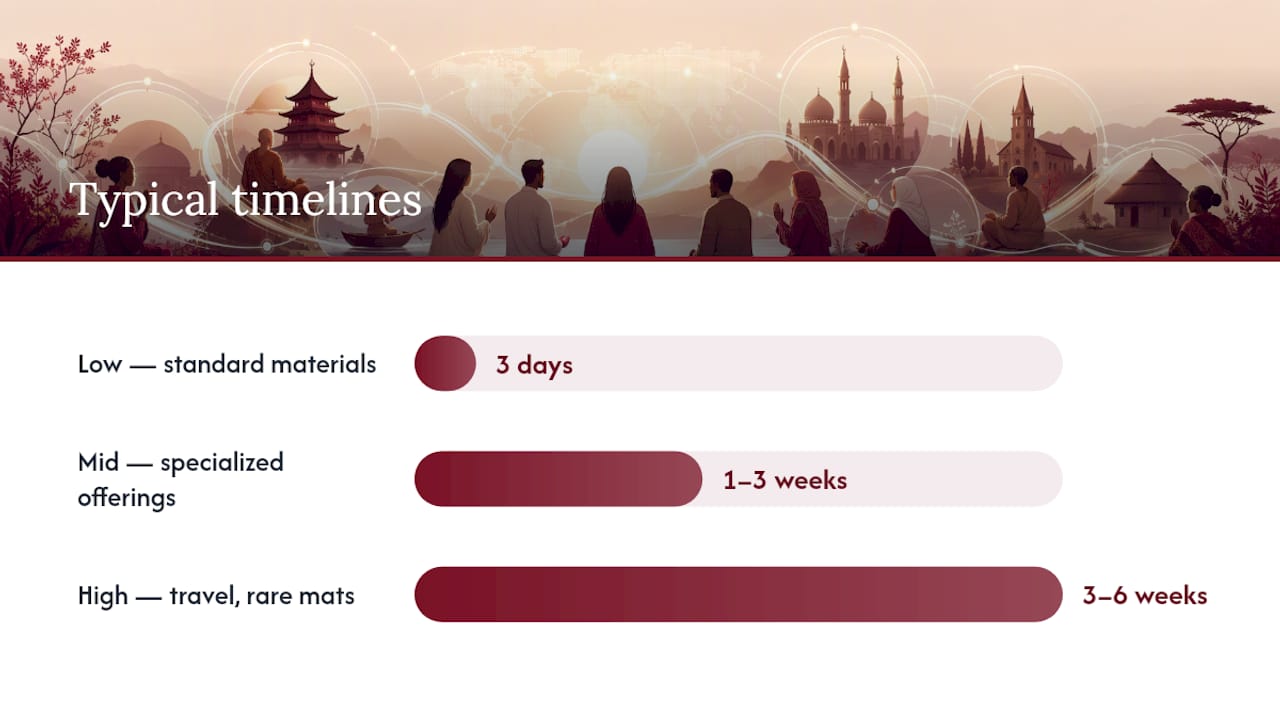
Pricing reflects the practitioner’s experience (Motherodessa: 40+ years), the specificity of the lineage work, material costs, urgency, and the depth of follow-up support. No two cases are priced identically because no two cases are identical.
Pro Tip: Ask for a written breakdown of what your fee covers before committing. A trustworthy practitioner will itemize materials, ceremony type, and follow-up scope without hesitation.
What are the ethical and legal boundaries of this work?
Ethical reconciliation work requires informed consent, transparent limits on outcomes, and a firm refusal to coerce either party. A practitioner should never proceed if the client is seeking to override another person’s free will through force or manipulation.
In the U.S., rituals involving animal sacrifice in public spaces may require local permits or fall under municipal ordinances. Ceremonial items shipped across state lines must comply with federal wildlife and agricultural regulations. When in doubt, consult local authorities before proceeding.
Pro Tip: Ritual work and secular support are not mutually exclusive. If the relationship involves documented abuse, addiction, or legal disputes, pair ritual work with licensed therapy or legal counsel.
How do you vet a West African reconciliation practitioner?
Prioritize lineage knowledge, documented experience, and a clear privacy commitment. Those three criteria filter out most unreliable practitioners before you spend a dollar.
Questions to ask before hiring:
- How long have you practiced, and what is your lineage or initiation background?
- Can you describe the ceremony structure you would use for my situation?
- How do you handle confidentiality, and what data do you retain?
- Can you share testimonials or documented outcomes from similar cases?
Red flags to walk away from:
- Guaranteed specific outcomes. No ethical practitioner promises a named person will return by a set date.
- Refusal to explain methods. Legitimate lineage work is explainable, even if not fully public.
- Escalating payment demands mid-process. A clear fee structure is agreed upfront.
- Pressure tactics or public shaming. These violate the consent principles that underpin the tradition.
- No documented experience. Forty-plus years of practice leaves a verifiable trail. Check why testimonials indicate healer effectiveness before deciding.
For quiet ancestral work on a private relationship, a practitioner who specializes in individual ceremony design fits better than one whose practice centers on large communal gatherings.
What should you do before your reconciliation ritual?
Arrive prepared on three levels: emotional clarity, material readiness, and logistical setup.
- Set a clear intention. Write down what you want restored and why. Vague requests produce vague ceremonies.
- Gather requested items. Your practitioner may ask for photos, personal objects, or specific offerings. Have them ready before the ceremony date.
- Prepare a private space. For remote ceremonies, designate a quiet room where you will not be interrupted during the ritual window.
- Follow any pre-ritual guidance. This may include a cleansing bath, a short fast, or avoiding certain foods or activities in the 24 hours before the ceremony.
- Inform close supports as needed. You do not need to explain the ritual in detail, but letting a trusted person know you are in a significant process helps with emotional grounding.
Pro Tip: Review how to schedule a spiritual healing session for practical logistics on timing, time zones, and what to send your practitioner ahead of the ceremony.
What does aftercare look like, and how do you sustain results?
Most practitioners deliver a written ritual report and a concrete aftercare plan. Outcomes rarely manifest overnight. Expect a window of days to weeks before the relational shift becomes visible.
- Follow the daily practices in your report. These may include small offerings, specific prayers, or behavioral guidelines for interacting with the other party.
- Monitor progress with a checklist. The signs a reconciliation ritual is working resource gives you concrete indicators to track.
- Respect communication boundaries. Rushing contact with the estranged party before the ritual window closes can disrupt the process.
- Return for a follow-up session if conflict worsens. Emotional spikes or escalating tension after a ritual sometimes signal deeper ancestral work is needed, not that the ritual failed.
- Seek secular support when warranted. If distress becomes acute, a licensed therapist or mediator is the appropriate next step alongside, not instead of, the ritual work.
Motherodessa’s credentials and methodology
Motherodessa brings 40+ years of practice in West African–rooted ceremony to U.S. clients, delivering bespoke rituals remotely via digital written reports and in-person where geography allows.
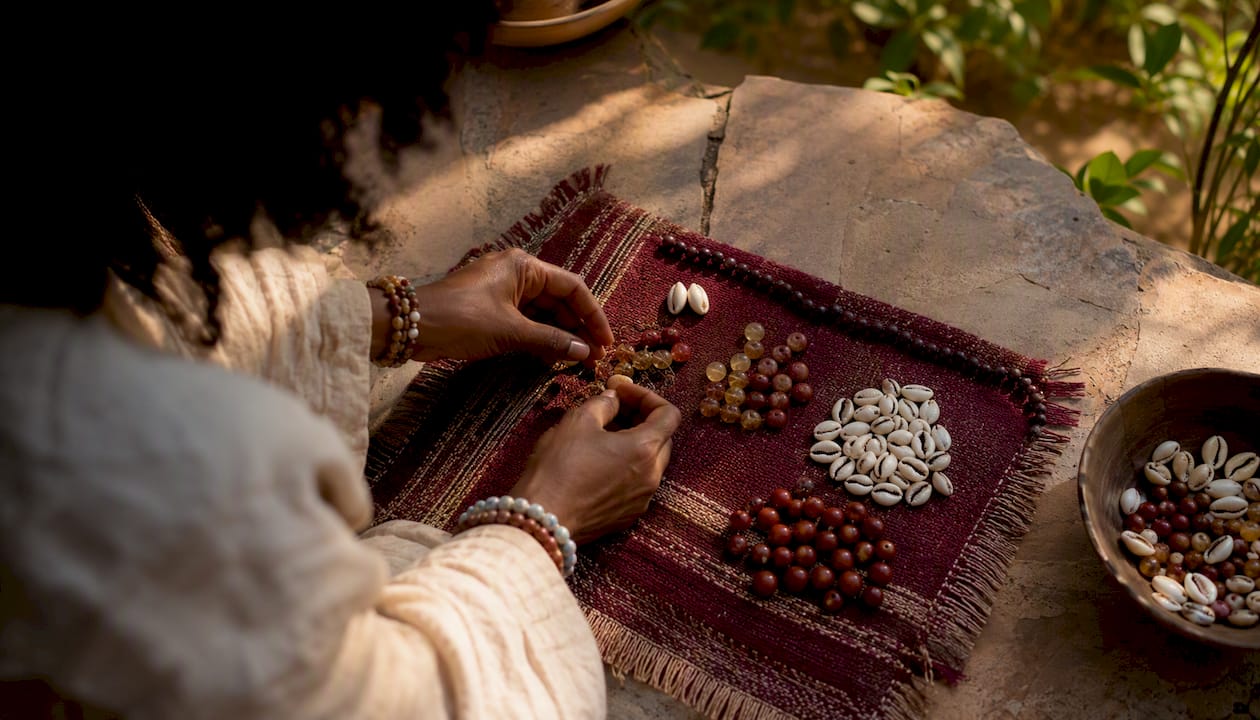
The methodology combines lineage mapping, ancestral invocation, symbolic offerings, and personalized follow-up into a single case-specific design. Diasporic adaptation of ritual practice confirms that integrating traditional structures with personalized interventions produces stronger outcomes for U.S. clients than one-size-fits-all ceremonies.
Core services relevant to reconciliation include the Reconciliation & Reunion Ritual and the Return a Lover Ritual. Every engagement includes a confidentiality commitment: no client details are shared, published, or retained beyond the scope of the ceremony.
Why bespoke rituals matter more than generic ceremony
Generic ceremony misses the point. The entire logic of West African reconciliation work rests on lineage specificity. The wrong spirit family invoked for the wrong situation does not simply fail to help — it can introduce new imbalances. Practitioners who offer a single ceremony for every client are, by definition, working outside the tradition’s own framework.
Forty years of practice is not a marketing claim. It is the difference between a practitioner who has navigated edge cases, unexpected ancestral responses, and complex multi-party situations, and one who has not. Personalization and lineage awareness are not premium add-ons. They are the practice.
Motherodessa is the practitioner for this work
When the relationship matters enough to act on, generic options fall short. Motherodessa’s spiritual healing services are built around one principle: no two situations are the same, so no two ceremonies are the same. Every client receives a ritual designed from their specific lineage, their specific circumstances, and the ancestral forces most relevant to their case. Privacy is absolute. The written ritual report gives you a clear record of what was performed and what to do next.
If you are ready to move forward, the Love & Relationships collection is the place to start. Review the available services, select the one that fits your situation, and place your order to begin the intake process.
This article is for general informational purposes. It is not a substitute for licensed therapeutic, legal, or medical advice. Confirm any regulatory questions about ritual practice with your local authorities or a qualified professional.
Sources
The claims in this article draw on peer-reviewed ethnography, religious studies scholarship, and practitioner-level research on West African diasporic ritual.
- Spiritual Citizenship: Transnational Pathways from Black Power to Ifá in Trinidad
- Healing through traditional West African rituals (IJLLLC 2025)
- Religion, Adaption and Diasporic Practice (MDPI)
- Igba ndu and oath-taking in Igbo religion (IJSSHR PDF)
- Reappraising the Nsukka Ọmabe festival through the lens of ethno-aesthetics, therapy and healing
- We Remember Through the Spirit: Yoruba Intangible Heritage, Diasporic Belonging, and the Cultural Work of Aladura Churches in the UK