
A commitment spell is designed to stabilize a relationship that already exists between two willing people, not to manufacture loyalty where none is present. Used correctly, it works alongside honest conversation, never as a substitute for it. Choose a simple candle or knot ritual below if your situation is straightforward, and consider working with a practitioner if the relationship carries deeper complications like distance, past betrayal, or unresolved conflict.
TL;DR:
- Commitment spells reinforce existing mutual bonds and are effective only when both partners are already emotionally invested and have given their consent.
- The most common tools include candles, cords, honey jars, and photographs, with each method suited to different relationship dynamics and patience levels.
- Rituals should be timed during private, calm moments, with results typically visible through improved communication and increased future planning over several weeks.
- Ethical use prohibits targeting unwilling or unconsenting individuals, and practitioners can help reverse or halt spells if they cause harm or feel inappropriate.
- Personalized rituals, guided by experienced practitioners, offer better outcomes for complex situations involving distance, history, or ambivalence than generic DIY recipes.
Table of Contents
- What Is a Commitment Spell, Exactly?
- What Tools and Methods Work Best for Commitment Rituals?
- How Do You Cast a Commitment Spell, Step by Step?
- When Should You Perform a Commitment Ritual, and What Signs Should You Watch For?
- What Are the Ethical Rules Around Commitment and Binding Spells?
- Why Work With an Experienced Practitioner Instead of Going It Alone?
- What Should You Realistically Expect From This Kind of Work?
- Ready for a Custom Commitment Ritual? Here’s How to Start
- Where This Guide’s Ritual Guidance Comes From
- Sources
What Is a Commitment Spell, Exactly?
A commitment spell is a ritual intended to reinforce fidelity, deepen mutual devotion, or support a couple’s movement toward marriage or a more serious phase of partnership. That is the core distinction that separates it from other spellwork you’ll find in the same category. It is not the same as an attraction spell, which is built to draw someone’s romantic interest toward you in the first place, and it is not a reconciliation rite, which focuses on repairing a relationship that has already broken down.
Binding work, the older and more precise term for what most people mean by “commitment spell,” is typically intended to reinforce an existing mutual bond between consenting adults, not to force someone who does not consent. That single sentence is the ethical spine of this entire practice. If you are hoping a spell will make an unwilling or uninterested person suddenly want to marry you, you are not looking for a commitment spell. You are looking for coercion, and no ethical practitioner, spiritual or otherwise, will tell you that’s a good idea.
The appropriate moment for this kind of ritual is after the relationship already shows mutual investment. Maybe you’ve had the marriage conversation and one of you is dragging their feet. Maybe you sense your partner pulling away emotionally and want to help steady things before a temporary rough patch becomes permanent. Maybe you’re engaged and want a spiritual seal on a decision you’ve both already made. In each case, the spell supports something real rather than inventing something fictional.
Commitment work leans on a fairly consistent set of symbols across traditions:
- Cords and knots representing the physical binding of two lives or fates together
- Red or pink candles symbolizing passion, devotion, and the heart’s steady burn
- Honey as a sweetening agent meant to soften friction and encourage patience
- Photographs of both partners, used as a stand-in for their combined presence and intention
If you’re trying to figure out which category actually fits your situation, it helps to think in terms of goals rather than tools. Attraction work, like what you’ll find in a Love & Attraction Spell, is about drawing someone toward you or reigniting a spark that’s gone cold. Commitment work is about locking in something that’s already taking shape. Confusing the two is the single most common mistake beginners make, and it’s usually why a spell “doesn’t work.” The ritual wasn’t wrong. The category was.
What Tools and Methods Work Best for Commitment Rituals?
Most beginner-friendly commitment rituals fall into four families, and each one suits a slightly different temperament and situation.
Candle rituals are the most approachable entry point because they require the fewest supplies and the least ritual experience. You carve names or initials into the wax, dress the candle with oil, and let it burn down while you hold a clear intention. This method suits people who want something contained, quick, and visually meaningful. It’s also the easiest to do discreetly in an apartment or shared home, since it doesn’t require anything that would raise questions if a partner or roommate noticed it.
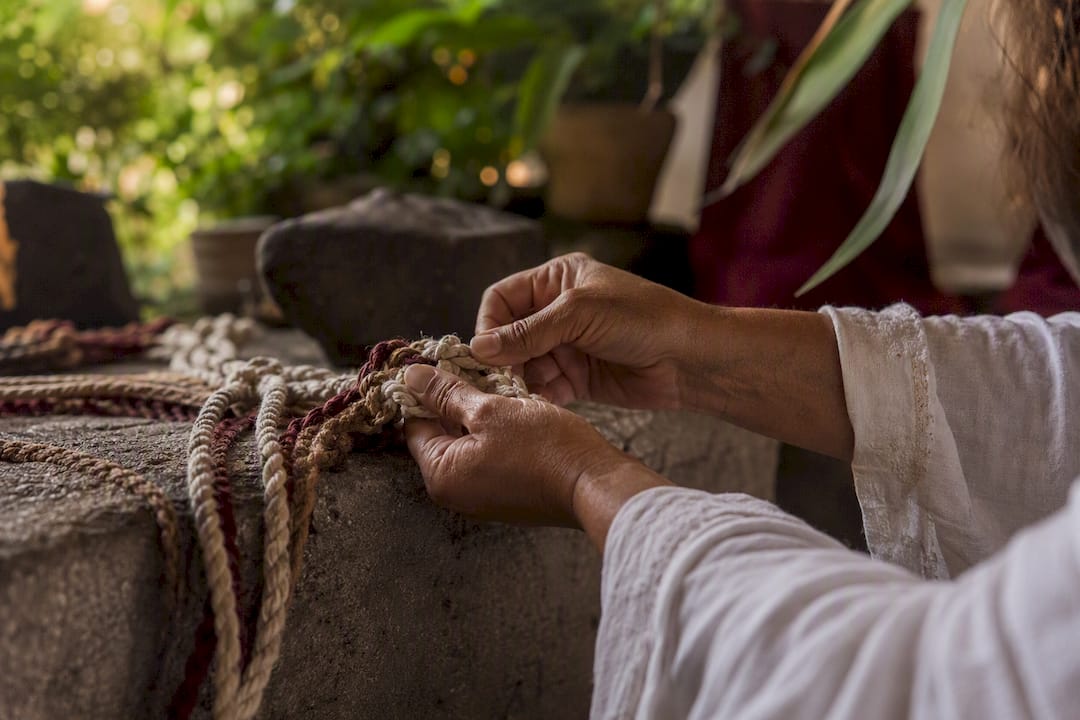
Cord and knot binding is older and more tactile. You use a length of cord, sometimes braided with a thread from each partner’s clothing, and tie a series of knots while speaking your intention aloud. A classic version of this recipe calls for braided cord or hair tied with sequential knots while speaking the names and desired qualities of the relationship, then wrapping that cord around a candle before lighting it. The repetitive, physical act of tying knots gives you something to focus your attention on, which is part of why practitioners consider knot magic one of the more accessible entry points into ritual work for people who find pure visualization difficult.
Honey jar rituals work on a slower timeline. You’re not looking for an instant shift. You’re sweetening a dynamic gradually, the way you’d let a marinade do its work over hours instead of minutes. Honey jar work is typically used to “sweeten” a relationship over time, requiring symbolic items or written petitions sealed inside a jar and kept somewhere private for a set period. This method suits people dealing with friction, minor resentment, or a partner who’s become emotionally distant rather than outright checked out.
Photo and sachet work is the quietest and most private option. You pair a photograph of both partners with a small cloth bundle containing herbs, a written petition, or a personal token, then keep it somewhere safe. This is often the best substitute when you don’t have access to a partner’s hair or personal belongings, which brings up an important point.
Here’s a practical supply list for a basic commitment ritual, along with reasonable substitutions:
- Red or pink taper candle (a plain white candle works if that’s what you have)
- A length of natural fiber cord, ribbon, or string, about 9 inches long
- A photo of both partners, or two separate photos if one isn’t available
- Honey, a small jar with a lid, and a pen and paper for a written petition
- A carving tool (a sewing needle or toothpick works fine)
- Anointing oil, such as olive oil mixed with a drop of rose or cinnamon oil
Pro Tip: Keep your wording specific to your actual relationship, not generic. “Help our commitment to each other deepen and stay steady” carries more focus than a vague, borrowed incantation you found online. The specificity is what keeps your intention honest, and honesty is what keeps the ritual ethical.
How Do You Cast a Commitment Spell, Step by Step?
These three rituals move from simplest to most involved. Read through the ethics section before you start any of them if you haven’t already, since consent and intention shape how you word each one.
Candle-knot ritual for everyday commitment
This is the ritual to start with if you’ve never done any spellwork before.
- Choose a red or pink candle and carve both partners’ first names into the wax, one on each side.
- Anoint the candle with a light coating of oil, running your fingers from the middle outward toward each end, which symbolizes drawing energy inward rather than dispersing it.
- Take a short length of thread and wind it around the candle three times, tying it off gently without cracking the wax.
- Speak your intention aloud in plain language. Something like: “I ask that our bond stay steady, honest, and growing. May we choose each other again and again.”
- Light the candle in a heatproof dish, somewhere it can burn undisturbed, and watch it for at least a few minutes before leaving the room to attend to something else.
- Let the candle burn out completely on its own. Never leave an open flame unattended in another room, and never rush this step by blowing it out early. If you must extinguish it for safety, snuff it (don’t blow) and relight it during your next safe window.
- Once it’s fully spent, bury the remaining wax outside or discard it respectfully, marking the ritual as complete.
Cord and knot binding for a deeper commitment
This version borrows from the same knots of love tradition that recommends a specific structure: a red cord roughly 9 inches long, two candles, and a set number of knots, often seven, tied while visualizing the relationship strengthening with each one.
- Lay out two red candles a few inches apart and place your cord between them.
- Hold the cord and think of a specific quality you want to reinforce in the relationship, like patience, honesty, or long-term planning.
- Tie the first knot while naming that quality aloud, then tie six more knots, naming a different quality or shared goal each time.
- Wrap the finished, knotted cord loosely around the base of one candle, then light both candles.
- If you’re using photographs instead of hair or personal items, which most practitioners now recommend for privacy reasons, place them face to face beneath the cord.
- Let both candles burn down fully, then keep the bound cord and photos in a small pouch until you feel the working has settled, often once both candles have fully burned out.
Honey jar ritual for softening friction
Choose this one if the relationship needs gradual sweetening more than a single decisive moment.
- Write both names on a small piece of paper along with a short petition describing what you want to nurture between you.
- Fold the paper toward yourself three times and place it in a clean jar.
- Add a spoonful of honey, followed by a pinch of cinnamon or a few dried rose petals if you have them.
- Seal the jar and hold it while speaking your intention one final time.
- Store it somewhere private and undisturbed, like the back of a cabinet, for at least a lunar cycle before deciding whether to keep it, refresh it, or release it.
Whichever ritual you choose, keep a short record of what you did. Practitioners frequently recommend journaling the date, time, exact wording, and any feelings that came up during the ritual, which gives you something concrete to look back on instead of relying on memory or wishful thinking later.
Pro Tip: If personal items like hair aren’t available or feel invasive to obtain, photographs and handwritten petitions work as well and sidestep a real privacy concern many beginners overlook.

When Should You Perform a Commitment Ritual, and What Signs Should You Watch For?
Timing matters less than intention, but it isn’t irrelevant. Many practitioners favor the new moon for commitment work since it aligns with new beginnings and forward momentum, while a full moon suits rituals meant to reinforce something already strong. Anniversaries, the date you first met, or a quiet evening when you can guarantee privacy for an hour all work just as well as any astrological timing.
Good conditions to look for before you begin:
- A private space where you won’t be interrupted for at least 30 to 45 minutes
- A calm emotional state rather than one driven by panic or a recent argument
- Enough time afterward to sit with the experience instead of rushing to the next task
As for results, don’t expect a lightning-bolt moment. Ritual outcomes are typically evaluated through changes in communication patterns, clearer decision-making, and increased planning for the relationship’s future, rather than sudden emotional shifts. A partner who starts initiating plans, bringing up the future unprompted, or simply showing up more consistently is a far more reliable signal than a dramatic confession out of nowhere.
Give a ritual at least two to four weeks before reassessing. If nothing has shifted after a full lunar cycle, that’s useful information, not failure. It may mean the relationship needs direct conversation more than ritual reinforcement, or that a more customized approach, tailored to your specific history and timing, would serve you better than a general recipe.
What Are the Ethical Rules Around Commitment and Binding Spells?
The rule that governs everything else in this practice is simple: never direct a binding or commitment spell at someone who hasn’t consented to the relationship in the first place. This isn’t a matter of etiquette. Rituals aimed at controlling another person’s free will, rather than supporting a bond both people are already building, cross from spiritual practice into something closer to psychological manipulation, and they tend to backfire emotionally even for the person casting them.
Watch for these red flags before you start any ritual:
- You’re trying to keep someone from leaving a relationship they’ve clearly stated they want to end
- There’s active abuse, coercion, or manipulation happening on either side
- One partner has an unaddressed mental health crisis that ritual work isn’t equipped to solve
- You’re using the spell to avoid a conversation you’re afraid to have out loud
If any of these apply, the ritual is the wrong tool, and no amount of candle work will fix a situation that needs direct communication, couples counseling, or in cases involving abuse, professional safety resources.
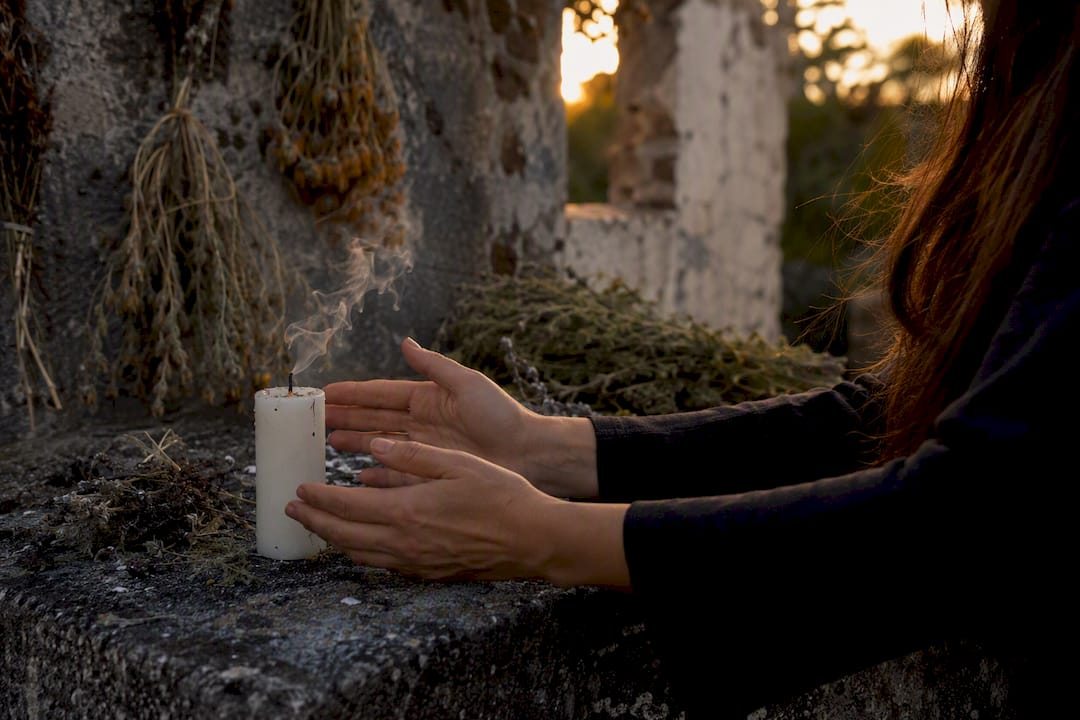
If you’ve already cast a binding spell and something about it feels off, forced, or like it’s causing more anxiety than peace, you can unbind it. A simple reversal involves untying any knots you made while stating aloud that you release the working, then letting a white candle burn fully as a symbolic clearing. Guidance across ritual traditions consistently supports halting or reversing a spell if the outcome feels forced or starts causing harm, and there’s no shame in stopping. Recognizing when a ritual isn’t the right fit is itself a form of respect, both for yourself and for the person on the other end of it.
Why Work With an Experienced Practitioner Instead of Going It Alone?
DIY rituals work best for situations that are relatively uncomplicated. Once you’re dealing with distance, blended family tension, a history of infidelity, or a partner who’s genuinely ambivalent, generic recipes start to lose their precision. That’s the gap professional ritual work is built to close.
Mother Odessa has spent more than 40 years developing personalized spiritual practice rooted in West African tradition, and that experience shapes how each ritual is built rather than pulled from a template. Personalized rituals that account for a client’s cultural background, life timing, and an intake conversation tend to produce better satisfaction than off-the-shelf recipes, largely because the symbolism actually matches what the relationship means to the people living it.
What sets a bespoke ritual apart from a candle you light alone at your kitchen table:
- Wording and symbolism built around your specific relationship history, not a generic script
- A private intake process so the practitioner understands the real situation before any work begins
- Strict confidentiality around every detail you share
- Follow-up guidance after the ritual instead of being left to interpret signs on your own
For couples facing something more layered than a first-time DIY ritual can address, that level of customization tends to matter more than any single ingredient or phrase.
What Should You Realistically Expect From This Kind of Work?
Most beginners make one of two mistakes. Either they write vague intentions (“make things better”) that give the ritual nothing specific to work with, or they try to force an outcome on a partner who hasn’t shown any real investment in the relationship to begin with. Both come from the same place: wanting certainty in a situation that’s inherently uncertain.
The clients who tend to feel most at peace with their ritual work afterward are the ones who went in with realistic, specific goals. Not “make him propose,” but “help us both feel steady enough to talk about the future honestly.” That distinction changes everything about how a ritual is worded and what it can actually support.
Ritual work also isn’t a replacement for the conversation you’re avoiding. If you’re hoping a spell will substitute for telling your partner how you feel, you’re setting yourself up for disappointment no matter how carefully you follow the steps. The strongest outcomes tend to happen when spiritual practice and honest communication move together, each reinforcing the other instead of one standing in for the other.
— Psychic
Ready for a Custom Commitment Ritual? Here’s How to Start
DIY rituals cover a lot of ground, but they have real limits once your situation involves history, distance, or ambivalence that a candle and some cord can’t untangle. Motherodessa’s approach is different from a generic online spell kit because it starts with an actual conversation about your relationship before any ritual work begins, which means the symbolism, timing, and wording all get built around what’s really going on rather than a one-size-fits-all script.

The Marriage & Commitment Spell is designed specifically for couples working toward deeper commitment or marriage, drawing on Mother Odessa’s four decades of West African ritual tradition and a strict privacy policy around every detail you share. If your situation leans more toward reigniting attraction than reinforcing an existing bond, the Love & Attraction Spell is built for that instead, and it’s worth being honest with yourself about which one actually fits before you book. For readers dealing with a broader mix of relationship and personal challenges, the full spiritual healing collection covers everything from emotional clarity to protection work.
Before booking, take a few minutes to write down the specific outcome you’re hoping for and a short history of the relationship. That preparation helps the ritual get built around your real situation from the first session, not a template. Visit the Marriage & Commitment Spell page to see what’s included and start the intake process.
Where This Guide’s Ritual Guidance Comes From
The candle, cord, and honey jar rituals in this guide draw on a handful of long-standing sources in ritual-writing traditions. WorldOfPsychic’s binding spell guide informed the ethical framing around consent and mutual bonds, along with the realistic signs of progress covered in the timing section. Llewellyn’s binding spell recipe shaped the cord and knot instructions, including the privacy-conscious substitution of photographs for personal items. Pagan Green’s knots of love ritual provided the specific knot count and pouch-keeping practice used in the deeper binding recipe.
If you want to go further into the symbolism behind candle and card work, Tarot Chats’ piece on the Ace of Pentacles offers a useful look at how grounded, practical romantic beginnings show up across divination traditions, which pairs naturally with the candle rituals described above. Readers looking for reconciliation-specific guidance rather than commitment reinforcement may also want to read about what a romantic reconnection ritual involves before choosing a technique.
Sources
- How to Do a Love Binding Spell: A Step-by-Step Guide
- Binding a New Love Spell — Llewellyn
- Knots of Love Binding Spell — Pagan Green