
To restore family lineage blessing means to deliberately reconnect your bloodline to its spiritual source through ritual, prayer, and ancestral healing practices. This is not a passive process. It requires sincere intention, correct procedure, and ongoing devotional commitment. Traditions as different as West African spirituality, Hinduism, and Catholic Christianity each offer structured paths toward the same goal: healing what has been broken across generations and reclaiming the grace your family line was meant to carry. Understanding what healing the family tree means is the first step toward doing something about it.
What are the key ancestral blessing rituals used to restore lineage?
The most widely practiced ancestral blessing rituals include the FFWPU Blessing Ceremony, the Hindu Tarpan and Pitru Tarpan rites, Catholic family tree healing prayers, and the Cheongpyeong ancestor liberation program. Each addresses lineage restoration from a distinct theological framework, but all share a core principle: the living must act on behalf of the dead.
The Blessing Ceremony from the Family Federation for World Peace and Unification (FFWPU) is described as a sacred beginning that marks an era with the Heavenly Parent’s presence at the center of family life. It restores true lineage and establishes families centered on true love for harmony and peace. This ceremony is not merely symbolic. It carries the weight of first-generation sacrifices and is understood as the mechanism through which a family’s spiritual lineage is formally reconnected to divine origin.
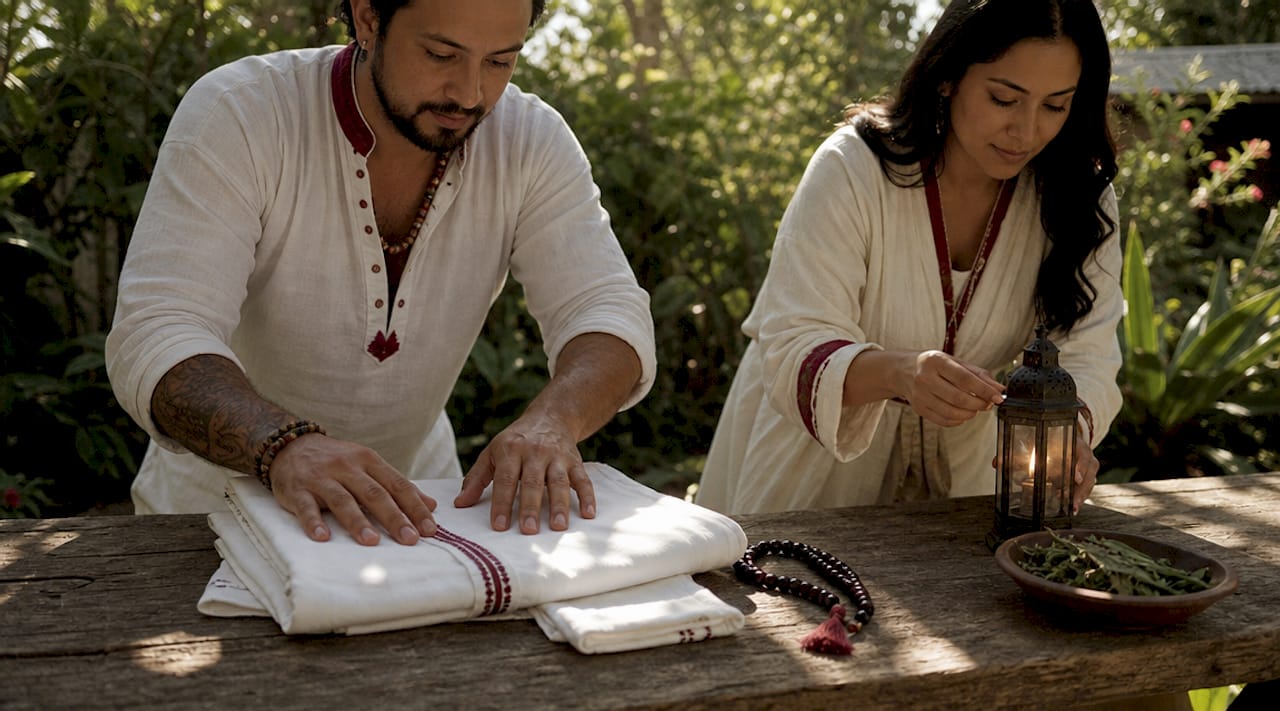
The Hindu Tarpan ritual involves offerings of water mixed with black sesame seeds to ancestors, performed facing south with a specific hand position during auspicious times like Amavasya and Pitru Paksha. The ritual repays ancestral debt and invites blessings of peace and prosperity back into the living family. Ancestor rituals across traditions function as bridges connecting visible family life with subtle realms, emphasizing cosmic interconnectedness and reciprocity.
Catholic family tree healing prayers take a different but equally structured approach. The Catholic prayer for healing the family tree presents forebears and descendants to God, asking for Christ’s saving power to heal the consequences of sin and strengthen grace throughout the lineage. It includes forgiveness petitions, renunciation of bitterness, fear, and despair, and intercession for both deceased and unborn family members. This two-way intercession makes the practice future-facing, not just retrospective.
The Cheongpyeong ancestor liberation program operates generation by generation, restoring the ancestral bloodline through stages of seven, 120, 180, and 210 generations. It requires descendant participation in prayer, workshops, and sincere devotional family life known as jeongseong.
| Ritual | Tradition | Core Action | Primary Aim |
|---|---|---|---|
| Blessing Ceremony | FFWPU | Sacred covenant ceremony | Restore true lineage and family harmony |
| Tarpan / Pitru Tarpan | Hindu | Water and sesame offerings | Repay ancestral debt, invite prosperity |
| Family tree healing prayer | Catholic | Intercessory prayer | Heal sin consequences across generations |
| Cheongpyeong liberation | FFWPU-adjacent | Staged liberation workshops | Restore bloodline generation by generation |
Pro Tip: If you are new to ancestral blessing rituals, start by researching your own family’s cultural and religious background before selecting a practice. Aligning your ritual with your lineage’s existing spiritual framework produces stronger resonance.
How to prepare spiritually and practically for lineage restoration
Preparation is not optional in lineage restoration practices. Entering a ritual without the right spiritual and practical groundwork is the single most common reason these practices fail to produce lasting results.
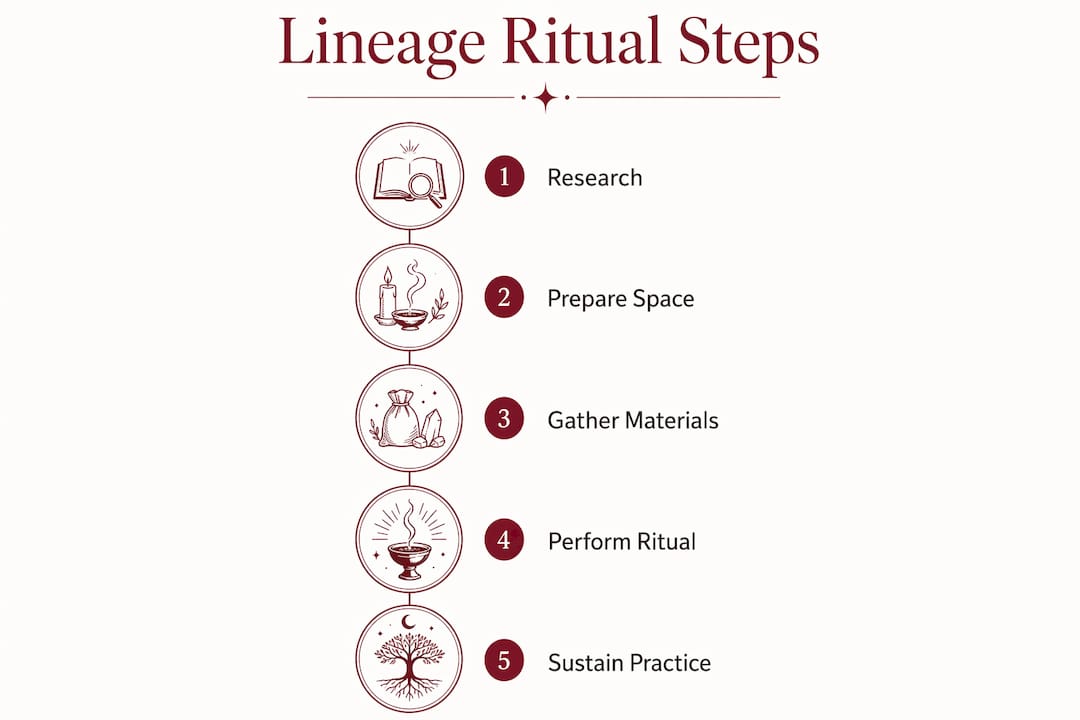
The physical environment matters. A clean, dedicated space signals respect to ancestral spirits and creates the conditions for focused intention. Many traditions require a cleared altar, fresh water, candles, and specific offerings before any ceremony begins. Beyond the physical, the internal state of the practitioner carries equal weight. Forgiveness is not a soft prerequisite. It is a structural one. The Catholic intercessory approach explicitly addresses intergenerational healing through forgiveness and deliverance language, recognizing that unresolved bitterness in the living blocks healing for the dead.
Researching your family lineage before beginning is practical wisdom, not just sentiment. Knowing names, dates, and patterns of suffering in your family history gives your prayers and rituals specific targets. Vague intention produces vague results. Write down what you know. Identify recurring patterns: financial hardship, broken relationships, early deaths, estrangement. These are the wounds your practice is meant to address.
Recommended preparatory steps before any lineage restoration ritual:
- Clear and cleanse your physical space with smoke, salt, or water according to your tradition
- Write a list of known ancestors, including those you have complicated feelings about
- Spend at least three days in deliberate forgiveness practice before the ritual date
- Research the specific materials, timing, and mantras required for your chosen ritual
- Set a clear, stated intention: what you are asking to heal and what you are committing to going forward
- If financial offerings are part of your tradition, prepare them in advance without resentment
Pro Tip: Align your ritual timing with astrologically significant dates in your tradition. For Hindu Tarpan, Amavasya (new moon) and Pitru Paksha are the most potent windows. For Christian practices, feast days honoring the dead carry additional spiritual weight.
Step-by-step guide to performing family lineage restoration rituals
The sequence below draws from multiple traditions and can be adapted to your specific practice. The underlying structure is consistent: acknowledge, offer, petition, commit.
Performing the Hindu Tarpan ritual
- Begin on an auspicious day such as Amavasya or during Pitru Paksha
- Bathe before sunrise and wear clean, preferably white clothing
- Prepare a vessel of water mixed with black sesame seeds and Kusha grass, as specified in Pitru Tarpan Vidhi
- Face south, the direction associated with the realm of ancestors in Hindu cosmology
- Release the water between your thumb and forefinger while reciting the prescribed mantras for each ancestor
- Offer the water three times per ancestor, naming them aloud if their names are known
- Close with a prayer for family prosperity and peace
Micro-details of ritual procedure, such as facing south, releasing water between thumb and forefinger, and using black sesame, are crucial in Tarpan rites and directly affect spiritual efficacy. Deviation from prescribed details can weaken ritual impact.
Performing Catholic family tree healing prayer
- Gather a written list of your known ancestors and descendants
- Light a candle to represent Christ’s presence
- Present each family member by name to God, asking for healing of specific wounds
- Recite forgiveness petitions for each generation, releasing bitterness and fear
- Intercede specifically for unborn descendants, asking for protection and grace going forward
- Close with a prayer of gratitude and commitment to living differently
Home-based Christian family tree prayers emphasize intercession for both deceased and unborn family members, making the practice a living commitment rather than a one-time event.
| Ritual | Timing | Key Materials | Core Prayer Focus | Expected Result |
|---|---|---|---|---|
| Hindu Tarpan | Amavasya, Pitru Paksha | Water, black sesame, Kusha grass | Ancestral debt repayment | Peace for departed, prosperity for living |
| Catholic family tree prayer | Any time, feast days preferred | Candle, written ancestor list | Forgiveness and intercession | Healing of generational sin consequences |
| Cheongpyeong liberation | Scheduled workshops | Financial offerings, prayer | Staged ancestral liberation | Bloodline restoration by generation |
| FFWPU Blessing Ceremony | Designated ceremony dates | Ceremony participation | True lineage restoration | Family harmony centered on divine love |
Pro Tip: Ongoing devotional sincerity matters more than ritual perfection. Ancestors remain unrestored until descendants perform consistent blessing conditions. A single ceremony starts the process. Sustained commitment completes it.
Common challenges and how to overcome obstacles in lineage healing
Lineage restoration is not a single event. It is a sustained practice, and the obstacles you encounter along the way are often part of the healing itself.
The most common challenge is emotional resistance. Inherited wounds, including grief, shame, and unresolved anger toward specific ancestors, can surface during ritual preparation or performance. This is not a sign that the practice is failing. It is a sign that it is working. The Christian homily tradition on healing the family tree recognizes that consequences of sin ripple through generations but stresses that no automatic guilt is assigned. You are not responsible for what your ancestors did. You are responsible for what you do with it.
Ritual detail sensitivity is a real and underappreciated obstacle. Many practitioners approach ancestral rituals with good intention but incomplete knowledge of the required procedures. In Hindu Tarpan practice specifically, deviation from prescribed details can weaken ritual impact. Facing the wrong direction, using the wrong materials, or reciting mantras incorrectly are not minor errors. Study your chosen practice carefully before performing it.
Common obstacles and their solutions:
- Emotional flooding during ritual: Pause, breathe, and treat the emotion as information rather than interruption. Name what you are feeling and offer it as part of the healing.
- Skepticism or doubt: Doubt is normal. Proceed with the physical actions of the ritual even when faith feels thin. Sincerity of action carries weight.
- Inconsistency: Set a recurring schedule for prayer or offerings rather than waiting for inspiration. Consistency builds spiritual momentum.
- Incomplete ancestral records: Pray for unnamed ancestors using collective language. “All those who came before me in my bloodline” is a valid and recognized invocation across traditions.
Spiritual progress in lineage restoration is rarely dramatic. Watch for subtle signs: improved family communication, unexpected reconciliations, a sense of peace where there was once chronic tension. These are the early fruits of ancestral healing.
Pro Tip: Reconnecting with your ancestral roots before beginning formal rituals builds the emotional and spiritual foundation that makes the work sustainable.
Key takeaways
Restoring family lineage blessing requires correct ritual procedure, sustained devotional commitment, and sincere forgiveness across all traditions that practice it.
| Point | Details |
|---|---|
| Ritual precision matters | Exact details like facing direction and materials directly affect spiritual efficacy in Tarpan and other rites. |
| Preparation is structural | Forgiveness, clean space, and ancestral research are prerequisites, not optional additions. |
| Intercession covers past and future | Catholic and Christian practices address both deceased ancestors and unborn descendants for complete lineage healing. |
| Consistency completes the work | A single ceremony begins restoration. Ongoing prayer, offerings, and devotion are what sustain and complete it. |
| Multiple traditions, one principle | Hindu, Christian, and FFWPU practices all require the living to act deliberately on behalf of the ancestral line. |
What 40 years of spiritual work taught me about lineage restoration
The families I have worked with over four decades share one pattern: the healing never stays contained to one person. When a lineage begins to shift, it shifts for everyone connected to it. Children who were estranged return. Financial patterns that plagued three generations suddenly break. Relationships that seemed permanently damaged find unexpected repair.
What surprises most people is how much the living carry without knowing it. Grief that belongs to a grandmother. Fear that originated with a great-grandfather’s trauma. These are not metaphors. They are real spiritual weights, and they respond to real spiritual work. The cultural roots that strengthen your spiritual work are not decorative. They are the specific frequency your lineage recognizes.
The responsibility involved in this work is sacred. You are not just healing yourself. You are changing what your children and grandchildren inherit. That is not a small thing. Approach it with the seriousness it deserves, and do not be discouraged by slow progress. The ancestors waited a long time. They can wait a little longer while you learn to do this right.
— Psychic
Explore lineage restoration and spiritual healing with Motherodessa
Motherodessa brings over 40 years of West African spiritual tradition to the work of family lineage healing. Every ritual is personalized to your specific situation. No two families carry the same wounds, and no two ceremonies are identical.

If you are ready to move beyond self-practice and work with an experienced spiritual healer, explore the full range of spiritual healing and clarity offerings available through Motherodessa. For those specifically seeking ancestral work, the Ancestor Petition Ceremony is designed to petition your ancestral line directly, while the Generational Curse Breaking Ceremony addresses the patterns that have held your family back for generations. Personalized guidance is available for every stage of the process.
FAQ
What does it mean to restore a family lineage blessing?
To restore a family lineage blessing means to spiritually reconnect your bloodline to its source of grace through ritual, prayer, and ancestral healing. The process heals generational wounds and reestablishes harmony within the family line.
How long does family lineage healing take?
Lineage restoration is an ongoing practice rather than a single event. The Cheongpyeong program, for example, works through generations in stages, and Catholic family tree prayers are designed for repeated use over time.
Can I perform ancestral blessing rituals at home?
Yes. Both Hindu Tarpan and Catholic family tree healing prayers are designed for home practice. Correct materials, timing, and procedure are required for full efficacy, particularly in Tarpan where facing direction and hand position affect the ritual’s spiritual alignment.
What is the role of forgiveness in lineage restoration practices?
Forgiveness is a structural requirement, not a soft suggestion. Catholic intercessory prayer explicitly includes renunciation of bitterness, fear, and despair as part of the healing petition. Unresolved resentment toward ancestors blocks the restoration process.
Do I need to know my ancestors’ names to perform these rituals?
Named ancestors receive more specific intercession, but collective invocations such as “all those who came before me in my bloodline” are recognized across traditions. Researching your family history before beginning strengthens the practice considerably.