
Reconnecting with ancestral roots is defined as the active process of engaging with your family history, cultural lineage, and inherited traditions to build identity, emotional resilience, and a sense of belonging. The benefits of reconnecting with ancestral roots extend far beyond curiosity about surnames or ethnicity percentages. Research confirms that cultural participation, genealogical exploration through tools like FamilySearch, and genetic testing through autosomal DNA analysis each contribute to measurable emotional and psychological gains. This practice also carries real complexity, including identity shifts, surprising discoveries, and inherited trauma that surfaces during the process.
1. How reconnecting with ancestors improves emotional healing
Ancestral reconnection addresses emotional wounds that often predate your own lifetime. Transgenerational trauma can impact three generations through neurobiological and environmental pathways, meaning anxiety, grief, or behavioral patterns you carry may originate in your grandparents’ or great-grandparents’ experiences. Identifying that origin does not erase the pain, but it reframes it. You stop treating inherited suffering as a personal flaw and start treating it as a wound that can be addressed.
Grounding practices drawn from cultural traditions, such as ancestral prayer, ceremonial cooking, or land-based rituals, activate a sense of continuity that reduces isolation. This is not abstract. Trauma-informed ancestral healing recommends starting with grounding rituals and self-compassion before confronting traumatic family history, which reduces the risk of symptom intensification. The sequence matters: stabilize first, then explore.
- Recognize that emotional patterns may have generational origins, not personal failures
- Start with stabilizing practices before diving into difficult family records
- Seek professional support when discoveries involve abuse, abandonment, or violence
- Use community structures, including cultural groups or spiritual practitioners, as containment
Pro Tip: Before ordering a DNA kit or opening old family records, spend two weeks journaling about what you already know and feel about your family. This builds the emotional baseline you will need when surprises arrive.
2. In what ways ancestral connection strengthens your identity
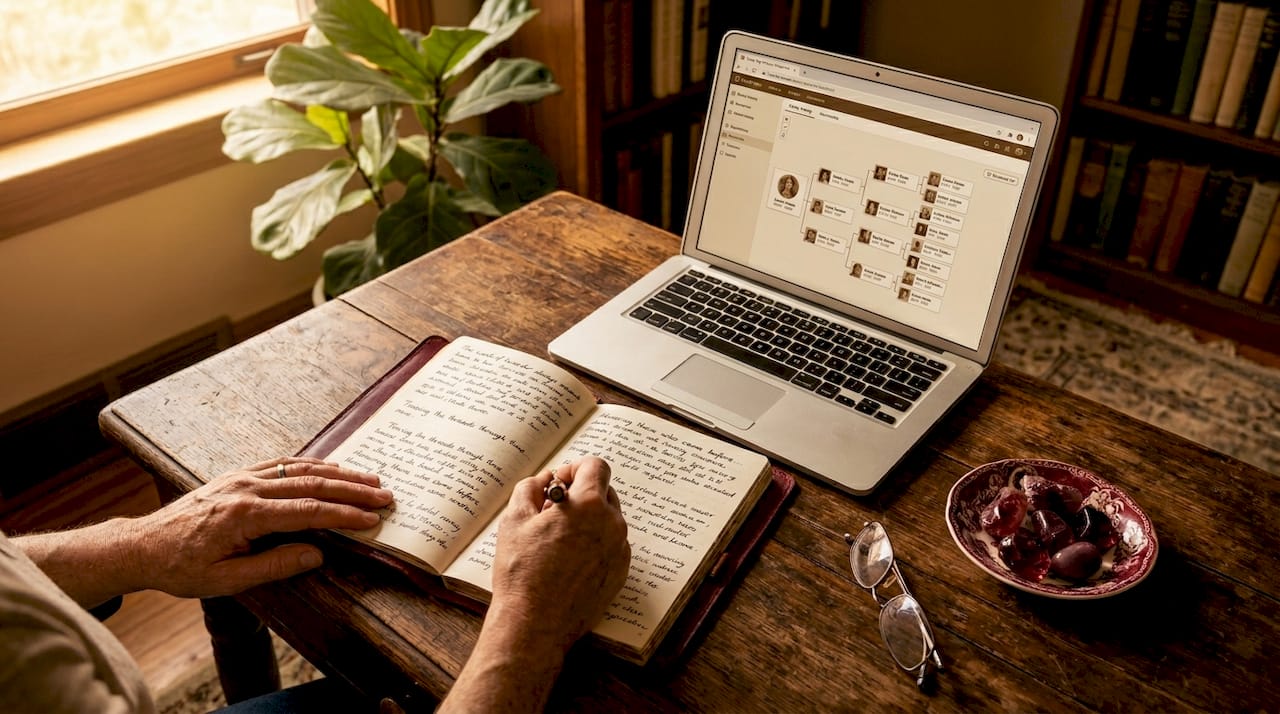
Identity formation through ancestral connection is one of the most documented family heritage benefits in recent research. A 2026 study in the Journal of Community Genetics analyzed over 58,000 consumer reactions to genetic ancestry testing and found that about 21% reported their sense of identity was reshaped by results. That figure represents millions of people whose self-concept shifted after a single test. The implication is significant: ancestry data does not just inform you, it can redefine you.
Cultural connectedness goes deeper than data, though. A 2026 systematic review published in BMC Public Health found that active cultural participation through traditions, language, and relationships produces stronger identity and health outcomes than passive knowledge alone. Knowing your heritage intellectually is not the same as living it through practice.
“What matters for wellbeing is active cultural participation and relationship-based reconnection, not just knowing names or data.” — BMC Public Health, 2026
Tools like FamilySearch’s Family Tree allow you to document and share family histories collaboratively, connecting living relatives to deceased ancestors across generations. This kind of shared documentation creates a narrative thread that strengthens belonging. When you see your name as part of a longer story, confidence and purpose follow naturally.
3. What are effective ways to reconnect with your roots
The most widely used entry point is autosomal DNA testing, which identifies relatives and ethnic origins within 5 to 7 generations. Beyond that range, resolution drops significantly. Mitochondrial DNA (mtDNA) traces the direct maternal line, while Y-DNA follows the direct paternal line. Each tool answers a different question, and none of them answers all questions on its own.
Here is a practical framework for layering your reconnection methods:
- Start with autosomal DNA testing through a major consumer platform to identify living relatives and broad ethnic origins
- Build a collaborative family tree using FamilySearch, which is free and links your research to shared records and hints
- Conduct oral history interviews with living relatives before those memories are lost
- Engage with cultural practices specific to your heritage, including food, language, music, and ceremony
- Cross-reference DNA results with documentary records such as census data, immigration files, and church records
| Method | Strength | Limitation |
|---|---|---|
| Autosomal DNA testing | Identifies relatives and ethnicity within 5-7 generations | Resolution drops beyond 7 generations |
| Collaborative family trees (FamilySearch) | Free, community-verified, links to historical records | Conflicting data from multiple contributors |
| Oral history interviews | Captures lived experience and emotional context | Subject to memory gaps and family myth |
| Cultural immersion | Builds lived identity, not just intellectual knowledge | Requires sustained commitment and community access |
The Library of Congress recommends treating DNA as a relationship tool, not a definitive identity story. Integrating traditional genealogical evidence and family stories produces the most meaningful and emotionally grounded results.
Pro Tip: When you receive DNA results that contradict family stories, do not dismiss either source. Treat both as hypotheses and investigate the documentary record before drawing conclusions. Conflicting information often reveals the most historically significant family events.
4. What challenges arise when exploring your ancestry
Ancestral exploration carries real emotional risks that deserve honest preparation. The same 2026 Journal of Community Genetics study found that about 46% of users experienced surprise from genetic ancestry results. Surprise at that scale means nearly half of people who test discover something they did not expect, including unknown ethnicities, misattributed parentage, or previously unknown relatives.
The research identifies a six-category reaction taxonomy: acceptance, excitement, dispute, confusion, identity crisis, and grief. Not all reactions are negative, but the range confirms that emotional preparation is not optional. It is a prerequisite.
- Disputed ancestry can fracture family relationships when results contradict long-held narratives
- Identity crisis is most common when results challenge racial or ethnic self-identification
- Grief arises when discoveries involve loss, such as finding that a parent is not biologically related
- Collaborative tree errors on platforms like FamilySearch can introduce incorrect data from other users, requiring personal verification logs
Sociocultural context shapes how you process results. Someone whose cultural identity is tightly bound to a specific ethnic heritage will react more intensely to contradictory data than someone with a more fluid sense of self. Knowing your own attachment level before you test is protective. Ancestry results are socially negotiated, meaning their emotional impact depends heavily on the community and expectations surrounding you.
5. How ancestral connection fosters spiritual growth and community
The cultural identity significance of ancestral work extends into spiritual and communal dimensions that purely genealogical research cannot reach. Rituals, ceremonies, and intergenerational knowledge sharing create a sense of collective identity that individual DNA results cannot replicate. This is where personal growth through roots becomes most tangible and most lasting.
Ancestral connection does not require biological proof to be spiritually valid. Many traditions, including West African spiritual practices, define ancestry through shared values, community bonds, and spiritual lineage rather than bloodline alone. This broader definition opens the practice to people who were adopted, separated from biological families, or whose records were destroyed by historical violence.
- Participation in cultural ceremonies builds belonging that data cannot provide
- Land-based practices, such as tending ancestral gardens or visiting origin sites, create embodied connection
- Intergenerational storytelling preserves knowledge that no database captures
- Shared spiritual practices create community resilience across generations
The BMC Public Health review confirms that cultural connectedness is positively linked to physical and mental health outcomes among Indigenous peoples, with the strongest effects coming from active participation rather than passive identification. The lesson applies broadly: showing up in cultural practice, not just claiming cultural identity, produces the health and belonging benefits that make this work worthwhile. Folk tales and oral traditions, explored through resources like ancestral storytelling traditions, also carry encoded ancestral wisdom that formal genealogy misses entirely.
Key takeaways
Reconnecting with ancestral roots produces the strongest emotional and identity benefits when it combines active cultural participation, trauma-informed preparation, and multiple research methods rather than relying on DNA results alone.
| Point | Details |
|---|---|
| Trauma lives across generations | Transgenerational trauma spans up to three generations; identifying its origin reframes personal suffering. |
| Active participation beats passive knowledge | Cultural practices, language, and ceremonies produce stronger wellbeing than genealogical data alone. |
| DNA testing has real limits | Autosomal DNA resolves ancestry reliably within 5-7 generations; combine it with oral history and records. |
| Emotional preparation is required | Nearly half of DNA test users experience surprise; stabilize emotionally before exploring difficult records. |
| Ancestry extends beyond bloodlines | Spiritual and community-based ancestral connection is valid and healing even without biological documentation. |
What I have learned from 40 years of ancestral healing work
Most people come to ancestral work expecting answers. They want a clear story, a confirmed lineage, a resolved identity. What they find instead is a living process that keeps unfolding. After more than four decades of working with clients through West African spiritual traditions, I have seen this pattern repeat without exception.
The clients who heal most deeply are not the ones who find the most information. They are the ones who show up consistently in practice: in ceremony, in prayer, in community, in honest conversation with their own history. The data from DNA tests and family trees is a starting point, not a destination. I have worked with people who had complete genealogical records and still felt disconnected, and others who had almost no documented history but found profound grounding through ritual and cultural practice.
The emotional risks are real. Discovering a family secret, a broken lineage, or an inherited trauma pattern is not a small event. Approaching that discovery with spiritual support, community, and a grounded practice makes the difference between destabilization and transformation. The understanding of family history you seek is not just intellectual. It is something you feel in your body, in your relationships, and in the way you carry yourself. That kind of knowing takes time, support, and the willingness to sit with complexity before resolution arrives.
— Psychic
How Motherodessa supports your ancestral healing path
Ancestral reconnection stirs deep emotional and spiritual layers that research and genealogy tools alone cannot address. Motherodessa’s spiritual healing services, rooted in 40 years of West African healing tradition, are designed to support exactly this kind of work. Whether you are processing a surprising ancestry discovery, working to break generational curses, or seeking grounding before you begin your exploration, Motherodessa offers personalized rituals built around your specific situation. The Full Spiritual Restoration Ceremony and the Spiritual Cleansing Bath Ritual are two of the most requested services for clients at the beginning of their ancestral healing path. No two rituals are the same.
FAQ
What are the main benefits of reconnecting with ancestral roots?
The primary benefits include emotional healing from transgenerational trauma, stronger personal and cultural identity, and a deeper sense of community belonging. Active cultural participation, not just genealogical data, produces the most lasting wellbeing outcomes.
How does DNA testing help with ancestral reconnection?
Autosomal DNA testing identifies relatives and ethnic origins within 5 to 7 generations and serves best as a relationship-finding tool. The Library of Congress recommends combining DNA results with traditional genealogical records and oral family histories for meaningful ancestral connection.
Can ancestral exploration cause emotional harm?
Yes. Research shows nearly half of DNA test users experience surprise from results, and reactions can include identity crisis, grief, and family conflict. Trauma-informed preparation, including grounding practices and professional support, significantly reduces the risk of emotional destabilization.
What is transgenerational trauma and how does it relate to ancestry?
Transgenerational trauma refers to trauma patterns transmitted across up to three generations through neurobiological and environmental pathways. Ancestral reconnection can surface this inherited trauma, which is why starting with stabilizing practices before deep exploration is strongly recommended.
Do I need biological ancestry to benefit from ancestral connection?
No. Many spiritual and cultural traditions, including West African practices, define ancestry through shared values, community bonds, and spiritual lineage rather than bloodline. People who were adopted or lack documented records can still experience profound healing through cultural participation and ritual.