
Remote healing is defined as a structured, live, and intentional practice where global healers connect with clients through secure video or phone sessions to deliver personalized therapeutic support across any distance. Understanding how global healers serve remote clients means recognizing that geography no longer limits access to specialized healing traditions, from West African spiritual rituals to shamanic practices and energy medicine. Organizations like the World Health Organization and the Energy Medicine Professional Association have both published frameworks that validate and guide these practices. The result is a growing field where practitioners combine ancient modalities with modern telehealth standards to serve clients who cannot travel, live abroad, or simply prefer the privacy of their own home.
How global healers serve remote clients: modalities and techniques
Remote healing covers a wider range of modalities than most people expect. Each tradition adapts differently to virtual settings, and understanding those differences helps you choose the right practitioner for your needs.
Distance energy healing works on the client’s subtle energy field through breathwork, visualization, and directed intention. The practitioner holds focused awareness on the client during a live session, often guiding the client through specific breathing patterns or body scans in real time. This modality requires no physical contact and translates naturally to video calls.
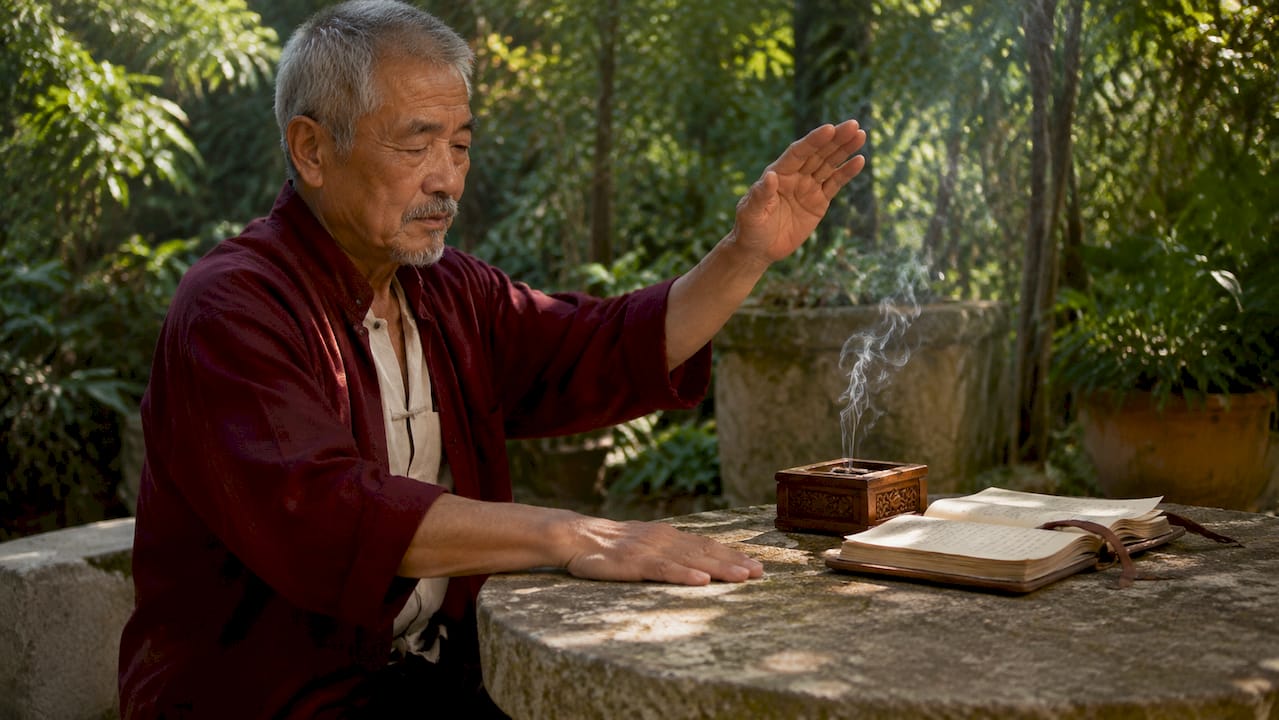
Telehealth naturopathy replicates in-person care through secure video and supplement delivery, where practitioners conduct personalized assessments, review lab results, and ship practitioner-grade supplements directly to the client’s address. This model proves that remote holistic healing can include physical treatment components even when the practitioner is on another continent.
Spiritual and shamanic healing sessions follow structured remote protocols that include pre-session agreements, privacy confirmations, and clear scope definitions. Practitioners in these traditions often work with ritual objects, prayer, or ceremony on their end while the client rests quietly at home. The session is live and two-way, allowing the healer to check in, adjust, and respond to what the client reports feeling.
Here is a quick comparison of how common modalities operate remotely:
- Distance energy healing: Live video or phone, breathwork and visualization, no physical materials required
- Telehealth naturopathy: Secure video consultation, personalized supplement plans, physical delivery component
- Spiritual and ritual healing: Live session with ceremony on practitioner’s end, client in receptive state at home
- Shamanic healing: Structured client agreement, privacy protocols, real-time check-ins during journey work
- Coaching-integrated wellness: Video calls combined with journaling assignments and follow-up messaging
Pro Tip: Before booking any remote healing session, ask the practitioner which specific platform they use and whether it is encrypted. Zoom, Google Meet, and dedicated telehealth platforms like SimplePractice each offer different levels of data protection.
How does a remote healing session work step by step?
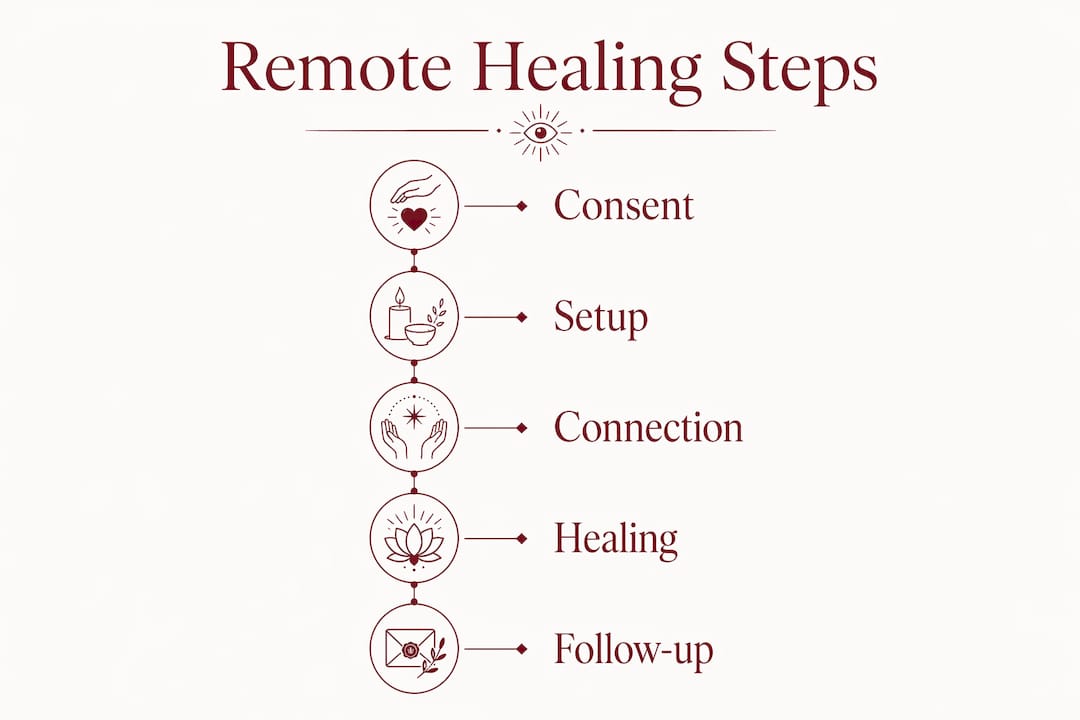
The EMPA’s detailed checklist for remote energy healing sessions published in January 2026 outlines a workflow that applies broadly across modalities. Following this structure is what separates professional practitioners from unverified ones. Here is how a well-run session unfolds:
-
Booking confirmation and consent form. The practitioner sends a booking confirmation along with a detailed consent form covering the modality, session scope, and technology risks. The client signs and returns it before any session date is confirmed.
-
Client preparation instructions. The healer sends specific instructions: what to wear, how to set up the space, whether to have water nearby, and what to avoid in the hours before the session. These details directly affect session quality.
-
Technology check. Both parties test their connection, camera, and audio at least 15 minutes before the session starts. The practitioner also identifies a backup communication method, typically a phone number, in case the video call drops.
-
Privacy and comfort confirmation. At the start of the session, the practitioner verbally confirms that the client is in a private space, will not be interrupted, and feels physically comfortable. This step protects both parties and sets the right tone.
-
Session conduct with real-time interaction. The healer leads the session using their specific modality while checking in regularly. The client reports sensations, emotions, or images as they arise. This live feedback loop is what makes remote sessions genuinely personalized rather than generic.
-
Session closeout. The practitioner guides the client back to full awareness, offers grounding instructions, and answers immediate questions. Notes are written up and stored securely after the call ends.
Pro Tip: If your practitioner does not send a consent form before your first session, treat that as a red flag. Legitimate remote healers document everything, including your goals, health history, and agreement to the session terms.
What privacy, consent, and safety measures matter most?
Privacy in remote healing is not just a courtesy. It is a professional and ethical requirement. Informed consent for remote healing must cover two distinct layers: the modality itself (what the healer does and what it is not) and the operational risks specific to remote delivery (technology failures, recording risks, and data storage).
The client carries real responsibility here too. Shamanic healing agreements explicitly warn that insufficient privacy at the client’s location may require rescheduling the session entirely. A session interrupted by a family member walking in or a phone notification going off is not just inconvenient. It can disrupt a healing state that took significant time to build.
Practitioners must handle session notes and personal disclosures with the same care as any licensed health provider. This means encrypted storage, no sharing of client information without written consent, and clear policies on what happens to recordings if the session is recorded at all.
“Fraud risks in remote spiritual healing are real and growing. A May 2026 report documented arrests for cyber-fraud involving individuals posing as spiritual healers online. Verifying a practitioner’s identity, credentials, and refund policy before payment is not optional. It is the minimum due diligence every client should perform.”
Key safety checks every client should complete before booking:
- Verify the practitioner’s name, website, and social presence are consistent and established
- Confirm a clear refund and cancellation policy exists in writing
- Check for testimonials that include specific, verifiable outcomes
- Ask directly how session notes are stored and who has access
- Confirm the consent form addresses both the healing modality and remote-session risks
Practitioners should also maintain client confidentiality standards that match or exceed what in-person providers follow. The physical distance of a remote session does not reduce the sensitivity of what clients share.
Does synchronous communication actually improve remote healing outcomes?
The answer is yes, and the reason is specific. The CCHP defines synchronous telehealth as live, two-way, real-time interaction between a provider and client, typically with time limitations per session. This structure creates the conditions for dynamic questioning, immediate adjustments, and genuine engagement that asynchronous formats simply cannot replicate.
When a healer can see your face and hear your voice in real time, they can adjust their approach mid-session. A client who looks tense during a breathwork exercise gets a different cue than one who looks relaxed. That responsiveness is the core of personalization in remote holistic healing. Pre-recorded content or email-based guidance cannot offer it.
| Communication format | Personalization level | Practitioner responsiveness | Client engagement |
|---|---|---|---|
| Live video session | High | Immediate | Active, real-time |
| Live phone session | Medium-high | Immediate | Active, audio-only |
| Asynchronous video message | Low | Delayed | Passive |
| Email or written guidance | Very low | Delayed | Passive |
| Pre-recorded program | None | None | Passive |
The WHO’s 2024 report on TCIM integration highlights governance, provider practice, and patient satisfaction as critical focus areas for global healing services. Synchronous sessions score highest on patient satisfaction precisely because they replicate the relational quality of in-person care. Remote healing that drops the live interaction component loses the element that makes it therapeutic rather than informational.
What role do client environment and collaboration play?
Remote healing success is co-produced. The practitioner brings structure, skill, and focused attention. The client brings a prepared environment, honest communication, and full engagement. Neither side can compensate for the other’s absence.
A practitioner following a standardized session workflow can stay present and focused because logistics are handled in advance. A client who has cleared their schedule, silenced their devices, and set up a quiet space allows the session to reach its full depth. When either side skips preparation, the session becomes surface-level at best.
The WHO’s integrative medicine framework frames TCIM care as a health systems function requiring continuity, not isolated one-off sessions. This means the most effective remote healing relationships include follow-up documentation, clear next steps, and ongoing communication between sessions. Practitioners who treat each session as a standalone event miss the cumulative benefit that structured care pathways provide.
Collaboration also shows up in boundary-setting. When both parties agree on session scope, communication channels, and what happens if technology fails, the session runs more smoothly and the healing work goes deeper. That agreement starts with the consent form and continues through every interaction.
Key takeaways
Remote healing works best when live, two-way sessions are supported by structured workflows, verified practitioners, and prepared clients who treat the session environment as part of the healing process itself.
| Point | Details |
|---|---|
| Synchronous sessions are the standard | Live video or phone calls allow real-time adjustments that make remote healing genuinely personalized. |
| Two-layer consent is non-negotiable | Consent forms must cover both the modality scope and the specific risks of remote delivery. |
| Client environment directly affects outcomes | A private, quiet, uninterrupted space is the client’s contribution to session quality. |
| Fraud verification protects everyone | Checking practitioner identity, refund policies, and testimonials before payment is basic due diligence. |
| Structured workflows improve practitioner focus | Standardized checklists free the healer to stay present rather than managing logistics mid-session. |
What 40 years of remote healing work has taught me
The practitioners who struggle most with remote sessions are the ones who treat the technology as the main variable. It is not. The technology is just the channel. What determines whether a remote session transforms a client or leaves them feeling like they attended a webinar is the quality of the intake process, the consent conversation, and the practitioner’s ability to stay fully present despite the screen between them.
I have seen clients arrive to sessions in noisy kitchens, on lunch breaks, or with family members in the next room. Every one of those sessions underperformed. Not because the healing was less real, but because the container was not held. The most important thing I tell new clients is this: your environment is your preparation. If you would not take a therapy appointment from a crowded café, do not take a healing session from one either.
The other pattern I have noticed is that clients who receive personalized spiritual consultations with clear follow-up protocols report significantly better outcomes than those who book a single session and disappear. Healing is not a transaction. It is a process. Remote delivery makes that process more accessible, but it does not make it faster or less demanding. Structure and collaboration are what make it work.
— Psychic
Experience personalized remote healing with Motherodessa
Motherodessa has spent over 40 years delivering personalized spiritual healing rooted in West African traditions, serving clients across the globe through private, structured sessions that address love, protection, financial abundance, and generational healing. Every ritual is built around your specific situation. No two sessions are the same. Motherodessa’s commitment to privacy, verified consent, and customized care reflects the professional standards this article describes. If you are ready to experience what authentic remote holistic healing looks like, explore the full range of spiritual healing services available, or begin with a targeted health and healing ritual designed specifically for your needs.
FAQ
What is remote healing and how does it work?
Remote healing is a live, structured session between a practitioner and client conducted via secure video or phone call. The healer uses their specific modality, such as energy work, spiritual ritual, or shamanic practice, in real time while the client participates from their own location.
How do I verify a remote healer is legitimate?
Check for a consistent online presence, written consent forms, a clear refund policy, and specific client testimonials. Fraud cases involving people posing as spiritual healers online have been documented as recently as May 2026, making verification a necessary first step before any payment.
What should I do to prepare for a virtual healing session?
Choose a private, quiet space where you will not be interrupted, silence all devices, and test your video or phone connection at least 15 minutes before the session. Your environment directly affects how deeply the session can work.
Are remote healing sessions as effective as in-person ones?
Synchronous remote sessions, meaning live video or phone calls, replicate the relational quality of in-person care because the practitioner can respond to you in real time. Asynchronous formats like pre-recorded content or email guidance do not offer the same level of personalization.
What should a consent form for remote healing include?
A proper consent form covers the modality scope, what the session does and does not include, technology disruption risks, confidentiality terms, and the client’s responsibilities for maintaining a private environment during the session.